Art Cannot Replace School, but Afghan Girls Use It to Speak

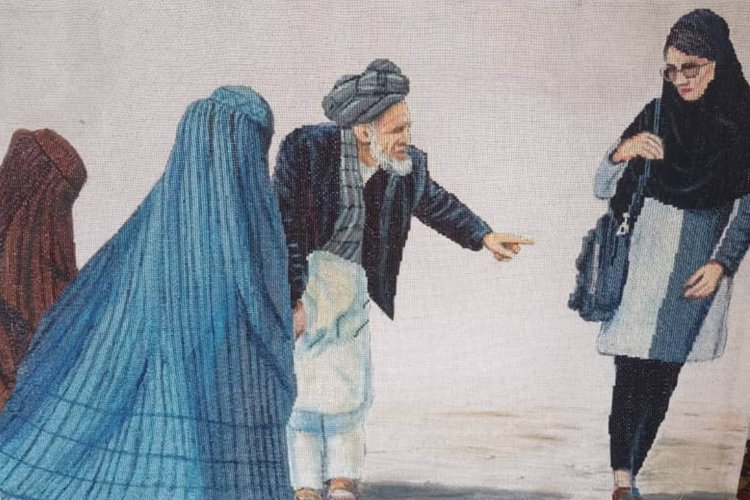
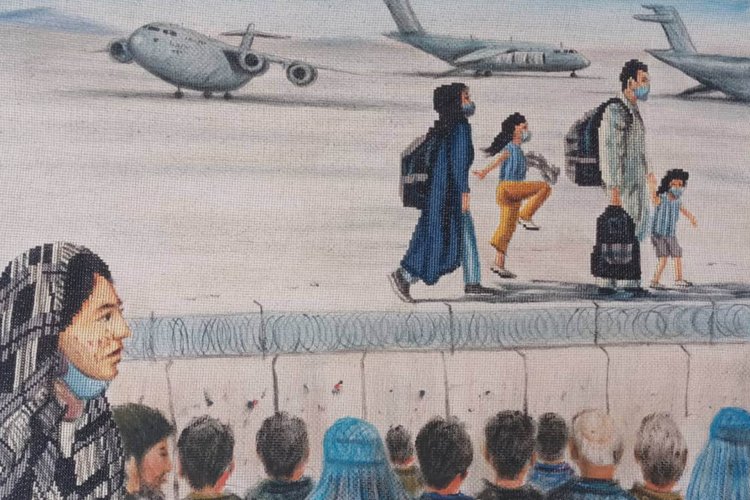
After the Taliban closed girls’ schools in Afghanistan in 2021, 17-year-old Maryam lost not only her education but also her freedom to move, to learn, and to shape her own future. She had studied up to grade nine when her school doors were shut. She later wanted to attend a private course, but her family did not allow it.
“My family didn’t allow me to go. They were afraid — of the Taliban, and of what people might say. They told me it was better to stay at home,” Maryam says.
Home became both a shelter and a confinement. No school, no courses, no permission to leave. She spent long hours alone. “Many times I would just sit there doing nothing. My heart felt heavy. I felt like I had no way to speak.”
In that enforced silence, Maryam began watching television programs about painting and art. Without a teacher, without a classroom, and without formal training, she practiced copying techniques she saw on screen. She did not intend to become a professional artist; painting became a way to manage her feelings and occupy her time.
“When I paint, I feel like I am speaking. The things I cannot say come out on the paper,” she explains.
In a country where media is censored and girls’ voices are often silenced, painting became Maryam’s only form of self-expression. “We have pain, but no place to talk about it. Painting became the way I emptied my heart.”
Her drawings show girls in small rooms, looking out at walls, with objects that suggest restriction rather than freedom. Sometimes, she cries while painting. “When I draw the deprivation of girls, my hands shake. I cry, but I continue.”
For Maryam, painting has not replaced school; it has only made the absence bearable. “No art can replace education. We paint because we have no other option — not because we chose to,” she says.
She urges other girls not to surrender to silence. “If schools are closed, we must learn in every way we can. But that doesn’t mean forgetting our rights.”
According to UNESCO, after the Taliban closed girls’ schools in 2021, about 2.2 million Afghan girls are currently barred from attending school beyond the primary level. Stories like Maryam’s reveal the personal impact behind these numbers — how girls cope and find ways to express themselves even when denied formal education.