Drought Pushes Afghanistan’s Livestock Sector to the Brink of Collapse
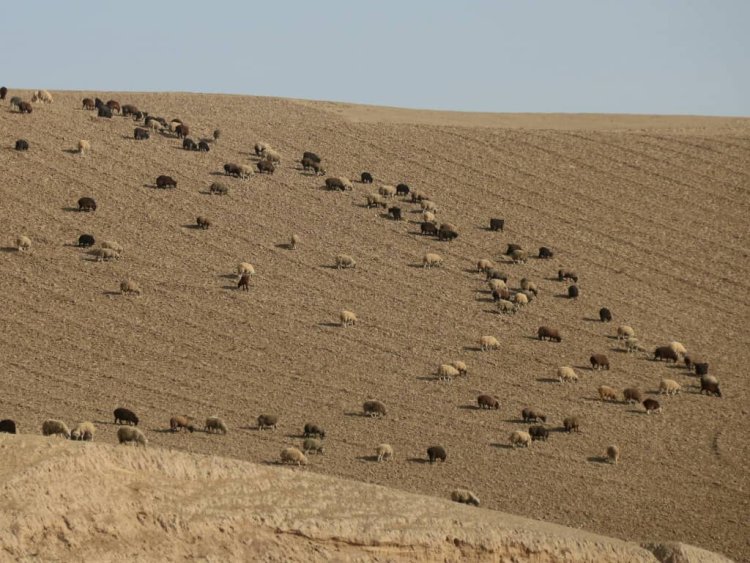
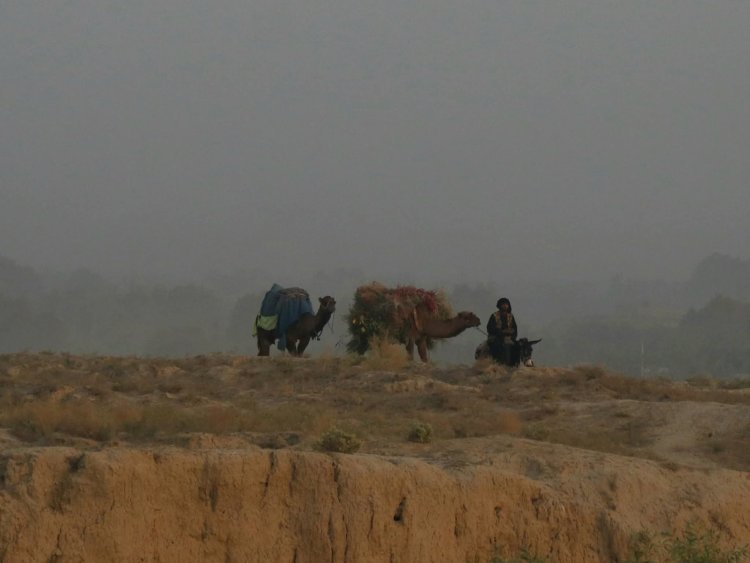
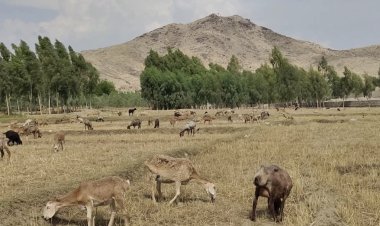
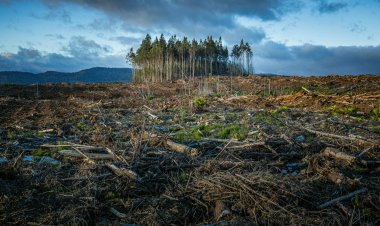
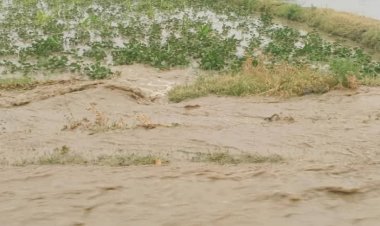
Years of consecutive droughts and an unprecedented decline in rainfall have plunged Afghanistan’s livestock sector into a severe crisis across large parts of the country. Livestock owners say water shortages and the destruction of grazing lands have not only wiped out their animals but are also pushing their families’ primary source of livelihood toward collapse.
Sherwali, 25, a resident of Laghman province, owns around 20 cattle, goats, and sheep. He says his family of ten depends entirely on this small herd to survive.
According to Sherwali, recent droughts have caused heavy losses for livestock owners in the province, with many animals dying due to the lack of sufficient feed.
“This year, rainfall was far below normal,” he says. “If this situation continues, both farmers and livestock owners will face serious problems.”
Sherwali, who belongs to the Kuchis (nomadic community), adds:
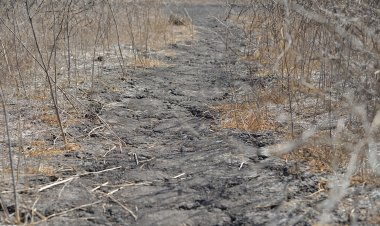
“In the past, we had hundreds of animals. Over the past few years, our herds have been reduced by half. There is no grass anymore, and the old grazing lands have either turned into barren land because of drought or have been taken over by residential construction.”
He says many livestock owners have been forced to sell their animals at half price because neither adequate feed nor drinking water is available.
“Previously, we used to take our animals to Nangarhar, Kunar, Kabul, and Kunduz. But now, the situation is bad everywhere.”
Conditions are no better in Sorobi district of Kabul province. Arab Gul, who owns a livestock farm there, says drought has destroyed a large portion of his life savings.
“Out of 54 large and small animals, only 23 remain,” he says. “The fodder we planted did not grow, and grazing lands have been dry for years. Our financial losses are extremely heavy.”
Arab Gul warns that without timely emergency assistance, livestock farming could completely disappear in many areas.
“Neither the government nor aid organizations have supported us so far,” he says. “I know livestock owners who sold all their animals at half price because there was no fodder.”
Experts warn that the consequences of this crisis extend far beyond livestock owners alone. Environmental expert Mohammad Salim Akbar says that in a country like Afghanistan—where more than 80 percent of the population depends on agriculture and livestock—declining rainfall directly leads to rising poverty, unemployment, and food insecurity.
“Afghanistan is severely affected by climate change,” he says. “If serious measures are not taken to prevent drought and if artificial grazing lands are not created for livestock, the coming years will bring even harsher consequences.”
He adds that if rainfall and snowfall in mountainous regions continue to decline, grazing lands for livestock owners will shrink even further next year.
Earlier, the United Nations called for urgent assistance for nearly seven million farmers and livestock owners in Afghanistan affected by drought. The Food and Agriculture Organization has also expressed concern over the situation, stressing that support for Afghan farmers and livestock owners must be prioritized.