Female Teachers Fired by the Taliban: Lives and Livelihoods Shattered
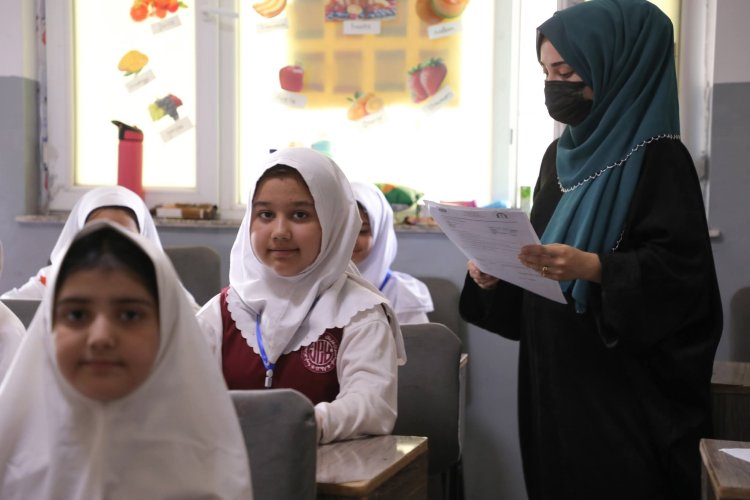
Since the Taliban’s return to power in Afghanistan, women have faced severe restrictions, including the dismissal of thousands of female teachers. This policy has devastated families’ livelihoods and weakened the country’s education system. Many of these experienced, university-educated teachers are now left without income, shouldering the full responsibility of supporting their families under extremely difficult circumstances.
Sofiya, a teacher at the Bibi Maryam public high school in Nangarhar, worked in Afghanistan’s education system for more than 14 years. She was the sole provider for her family of five, including a husband who, according to her, struggles with drug addiction.
A year ago, she was dismissed without explanation. She described her daily life since then:
“When I was still teaching, life was hard but manageable. Now every day is a struggle—for my children’s clothes, food, and rent. Sometimes I have to borrow from neighbors. The full weight of the household is on my shoulders, and no one supports me.”
Sofiya has tried repeatedly to find work, but Afghanistan’s economic and social conditions have left her options limited. She now takes casual jobs in other people’s homes, washing clothes and cooking, just to make ends meet.
“Sometimes I work for hours, but the pay barely buys bread for my children. At night, when they sleep, I cry and ask myself why I worked so hard all these years, only to have everything lost now.”
Nafisa, a teacher in Kabul, is also still unemployed and has not found a new position. She says staying at home has not only caused economic hardship but also severe mental stress:
“Every day, my children ask why I no longer go to school. It breaks my heart. I know I have no income and no support. Depression and anxiety are constant companions.”
Despite repeated attempts over the past year, Nafisa has been unable to find work due to the restrictions.
“Many female teachers remain confined at home. They have no salaries and no other sources of income. Families and children are fully dependent on them. This situation has caused severe economic and psychological pressure.”
Some teachers report that they have still not received salaries for months preceding their dismissal.
Some claim that after their removal, vacant positions were filled by recent graduates of religious schools and mosque imams. Teachers believe this not only violates professional fairness but also negatively affects the quality of education.
“We were university-educated and had years of teaching experience,” Nafisa said. “Removing us does not just destroy our lives; it harms the education system as a whole.”
Economists warn that excluding women from the labor market—particularly in education—has direct effects on poverty and economic instability. In many households, female teachers were the sole or primary source of income, and their unemployment has pushed entire families below the poverty line.
Women’s rights activists stress that the impact goes beyond economics. Maryam Amarkhil, a women’s rights advocate, described the situation as “alarming”:
“Every teacher dismissed had professional training and years of experience. Each was a source of income for her family. Their removal disrupts the teaching process and damages the education system.”