Drought Puts Pistachio Livelihoods at Risk in Afghanistan’s Badghis Province
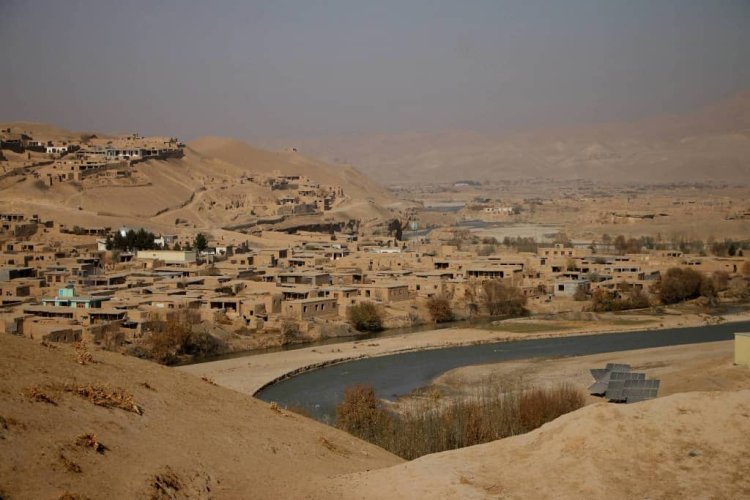
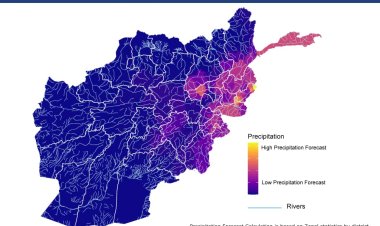
Badghis, one of Afghanistan’s key agricultural provinces, is currently facing a severe and prolonged drought. Pistachios—a crop deeply tied to the livelihoods and identity of thousands of families—have been severely affected, with widespread tree loss and sharply declining yields. For orchardists, the crisis extends beyond economic loss; water scarcity has disrupted daily life, access to drinking water, and household food security. The drought reflects the struggle of communities whose survival is closely linked to each pistachio tree.
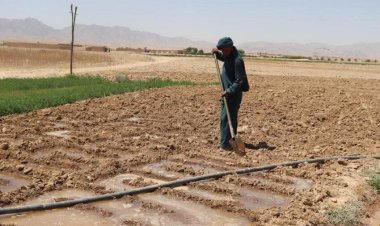
In the Dehestan area of Abkamari district, orchardist Shakrollah has cultivated around 530 pistachio trees on six jeribs of land, which have been producing for the past three years. He recalls receiving limited support from the agriculture department and an NGO during the previous republican government, after which he continued managing the orchard independently.
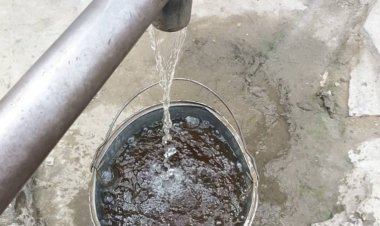
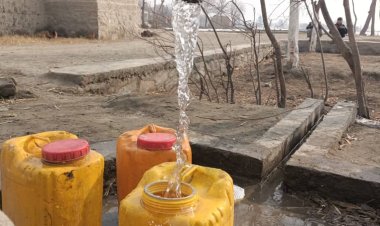
Shakerullah points to declining rainfall and climate change as the main drivers of loss. “Water shortages have reduced our pistachio yields by nearly half compared to previous years,” he says. “The wells we dug have dried up, and young pistachio trees—from their first to fourth year—require significant amounts of water.”
He explains that irrigation is particularly critical during winter and grafting periods. “Without sufficient water during these stages, trees cannot develop properly or successfully take grafts,” he adds.
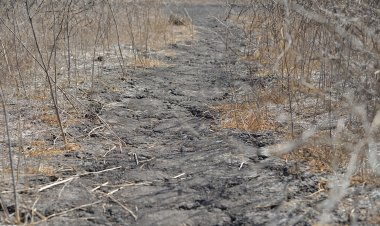
Reflecting on the broader impact, Shakerullah notes that pistachio cultivation once sustained his household. “Today, the drought is so severe that most trees have dried, and the remaining ones produce very little. Many families here depend entirely on orchards. With these losses, orchardists have no alternative sources of income.”
A similar situation is unfolding in Darah Bum district. Orchardist Gulhabib says pistachio gardens—long central to local livelihoods—have suffered significant damage in recent years. “Drought and water shortages have slowed growth and drastically reduced yields,” he explains. “Despite many years of experience, most trees have dried, and production has fallen sharply.”
Gulhabib highlights the environmental conditions required for healthy pistachio orchards. “Rain, snow, clean air, and timely irrigation are essential,” he says. “But in recent years, rainfall has been insufficient, and water sources have declined. This has had a direct impact on production.”
Beyond climate factors, he points to infrastructure gaps as a major challenge. “There are no secondary canals, water channels, check dams, or organized irrigation systems. Even basic tools needed during harvest are unavailable,” he explains. “With proper water management, some losses could be reduced, but multiple structural problems remain.”
He adds that orchard management continues to rely on traditional methods. “Land preparation, irrigation, and harvesting are still done manually. The absence of modern equipment and management has made conditions even harder,” he says. “The drought is now so severe that experience alone can no longer secure adequate yields.”
In Bala Murghab district, orchardist Tahir Shah manages a 15-jerib garden containing pistachios and other fruit trees, which he has cultivated for over a decade. This year, he says, water scarcity combined with untimely rainfall during harvest has significantly damaged production.
“Most trees were affected by disease, dried out, and produced far less than expected,” Tahir Shah explains. “The financial losses are substantial. If these conditions continue next year, I may be forced to abandon orchard work entirely.”
He adds that rainfall during harvest increases humidity and leads to spoilage, particularly of pistachios. “Rain at the wrong time damages fruit quality,” he says. “With proper support, some of these problems could be mitigated. Without assistance, orchardists are left with no option but to give up.”
Agricultural expert Engineer Allahyar Kamoi stresses the need for modern production methods and stronger knowledge transfer. “Many aid programs have focused solely on orchard structures,” he says. “They have largely neglected the intellectual and technical development of orchardists, even as Afghanistan faces worsening drought.”
He emphasizes that growers must learn how to adapt to water scarcity. “Orchardists need practical guidance on producing higher yields with less water and managing each stage of production more efficiently,” Kamoi explains. “Public awareness and access to modern tools are critical for long-term resilience.”
Experts underline that pistachios are not only an economic resource but also a key part of local cultural identity. Beyond income generation, pistachio orchards play a vital role in the regional economy and provide employment opportunities in an area with few alternatives.