Water Crisis Burdens Women and Children in Eastern Afghanistan
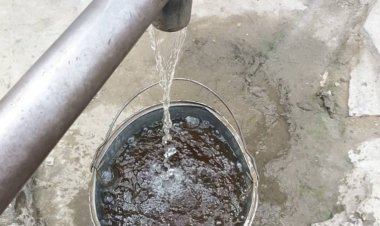
Half an hour after sunrise, Sheema, a 26-year-old resident of Fathabad in Surkhrod district, Nangarhar province, tucks one empty jerrycan under her arm, balances another on her head, and steps onto the dusty path outside her home. She walks an hour to reach a spring where dozens of women and children queue every day. Straightening her back carefully, she says, “My spine hurts. The doctor told me I have a disc problem and shouldn’t lift heavy loads… but I don’t have a choice.”
A mother of four, Sheema hauls the filled jerrycans back with difficulty. Sweat gathers on her brow, and her legs tremble under the weight. “This is my routine,” she says. “My back and legs hurt, but my children are small. There’s no one else to do it.”
For more than three years, the family has been struggling with chronic water shortages, and Sheema has repeatedly asked her husband to relocate. But they cannot afford it. “Rent is too high. We’re stuck here,” she says.
When Sheema reaches home, she places the jerrycans beside the wall and leans against it for a moment. Her breathing is heavy. She says that half of her life has been spent dealing with lack of water: “We are Kochis by tribe. At my father’s house, my sisters and I also carried water from faraway places in jerrycans. It’s the same life now.”
She glances toward the path she walks twice a day—or more—every single day, a path repeated in the lives of many others.
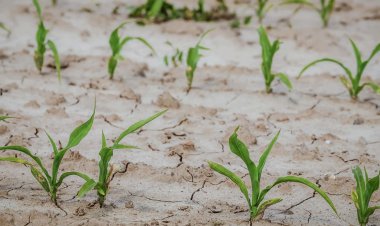
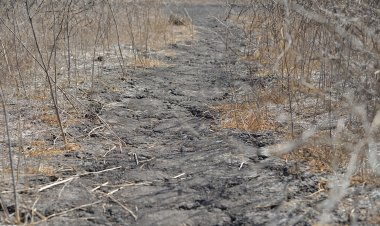
This long walk has become a daily routine for hundreds of families in Nangarhar. Consecutive droughts and the deepening of groundwater levels have made clean water scarce in many villages.
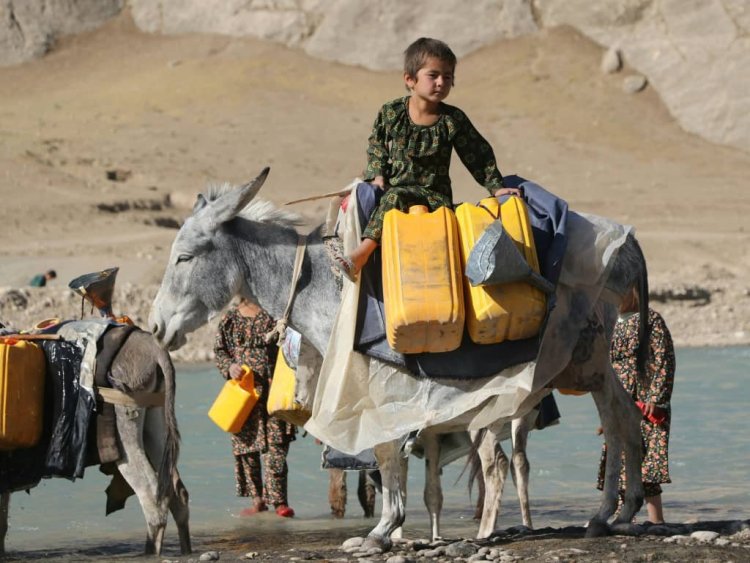
In Goshta district, clean water has become so limited that many children now have more experience fetching water than attending school. Sabawoon, a resident of “Mama Kheil,” says that for several months, his three children have spent hours each morning walking on foot and then using animals to bring water from the Kunar River—water that is not safe and often causes diarrhea and stomach illnesses in children.
“Sometimes my children can’t go to school for a full week,” he says. “Teachers and even education officials know the problem is water, so they don’t mark them absent.”
According to him, in recent months, many families in the area have already left in search of reliable water. Sabawoon says his children ask him constantly to do the same: “My sons keep telling me to move somewhere they can study properly. I will leave soon, because life here without water has become unbearable.”
Doctors warn that such heavy labor causes disc herniation, joint inflammation, and muscle damage in women and children. Dr. Sayera Hila says, “In many mountainous areas, women and children are the primary carriers of water. Over time, this work exhausts and damages the body, and it must be prevented.”
Across other provinces as well, collecting water from distant places is often the responsibility of women and children. UNICEF identifies the decline in groundwater as a serious consequence of climate change in Afghanistan—a crisis that has left millions without access to safe drinking water.