Life After Divorce: The Hidden Struggles of Afghan Women
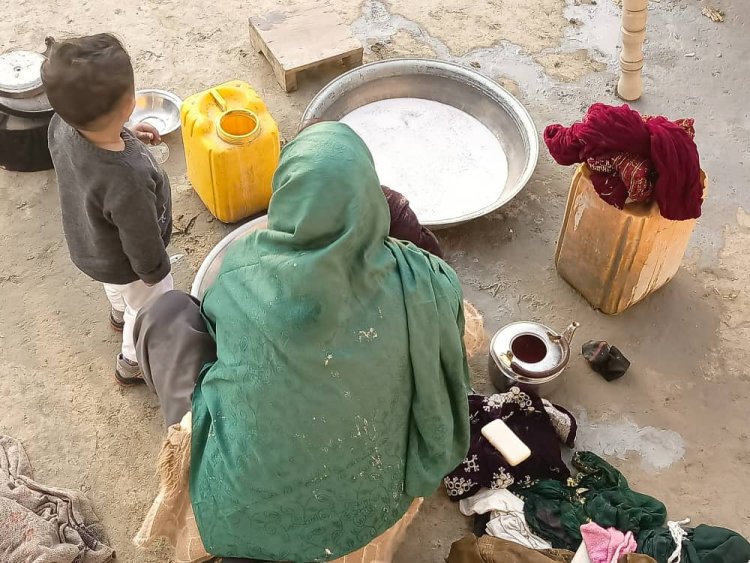
In Afghanistan, divorce is rarely the end of a troubled life for women—it often marks the start of an even more challenging journey. Divorced women face domestic violence, abandonment, separation from their children, and intense social and cultural pressures.
The judgmental eyes of family and society, psychological strain, and restrictions on rebuilding their lives become inseparable parts of their daily reality.
Marina, 24, from Kunar and a mother of two, had to initiate her divorce after four years of marriage due to systematic domestic abuse and her husband’s drug addiction. “He always beat me, and our home’s condition worsened every day,” she recalls. Her husband failed to cover even the most basic expenses, while his addiction turned her life into a daily nightmare.
Divorce was her only escape, yet its consequences were heavier than she had imagined. Now living with her father for a year, Marina says the hardest part has been separation from her children: “After the divorce, my husband’s family kept the kids. Being apart from them is worse than anything else.”
She notes that many Afghan women, despite experiencing abuse, fear leaving their husbands due to social judgment and cultural pressures. “People say she divorced, left her husband, or ruined her life. But no one asks why,” she says. For Marina, domestic violence was only part of the suffering; forced separation from her children and society’s scorn added deeper layers to her pain.
Gulsoom, 26, from Nangarhar, divorced five years ago after two years of marriage. Her union had been forced by her family, and her married life was filled with abuse and humiliation. “My husband found reasons to beat me every day,” she says. “Telling me I wasn’t a good wife. Life became more bitter with each day.”
With family support and the intervention of elders, she paid her dowry of 40,000 Afghanis and secured her divorce. “For the first time in years, I felt relief,” Gulsoom recalls. But freedom did not bring full peace; society and even her own family continue to stigmatize divorced women. Five years later, she has yet to build a new life. “This time, I will be careful in choosing a husband,” she says.
Homeira, 30, from Laghman, was abandoned by her husband and waited ten years for closure. Her husband stayed only a month before moving to Europe and marrying another woman. “For years he neither called nor provided support. Sometimes I felt that my life existed only for waiting,” she recounts.
Finally, he contacted her father: “I will give you a divorce. Live your life. I have another wife.” Homeira agreed, and with elders from both families present, the divorce was officially registered online. She now lives with her father, yet memories of years of abandonment and hidden family abuse continue to haunt her. “I never understood life. I want to live again. I want a husband who will truly support me, not someone who will just leave,” she says.
Experts warn that prolonged abandonment and lack of support can have deep psychological consequences.
Dr. Shafiqa Mahtab, a female physician, explains: “A woman who divorces faces a society and family that leaves her alone. The psychological pressure can lead to depression, isolation, and even suicide. These women need real support.”