Eastern Afghanistan Earthquake Victims: Taliban Divert Humanitarian Aid to Their Supporters
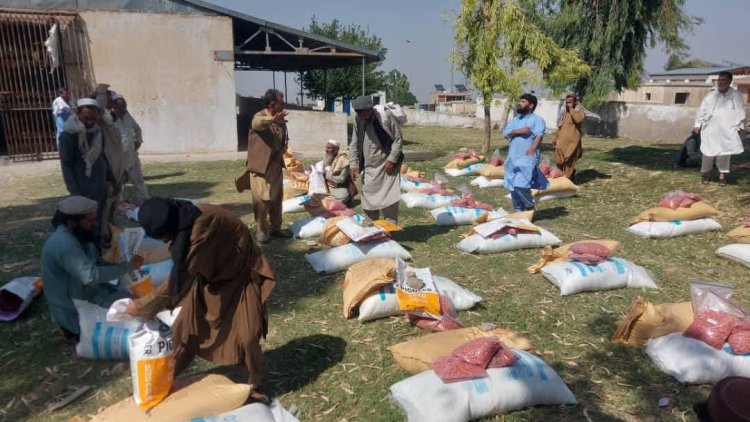
Multiple sources from families affected by the September 2025 earthquake in Nangarhar and Kunar provinces told RM Media that the Taliban are interfering in the distribution of humanitarian aid. Most of the assistance is reportedly diverted to the group’s supporters, while many genuine and needy families remain without help.
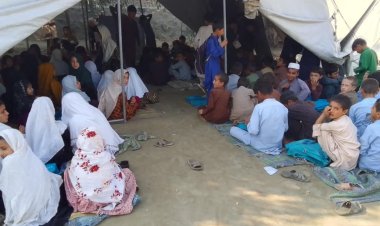
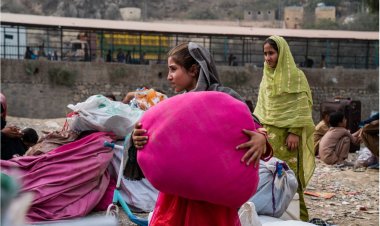
Ehsanullah, 40 (pseudonym), a resident of Mazar Valley in Nurgal district, Kunar, lost four family members in last year’s earthquake. He and his remaining relatives have been living in a camp for earthquake victims since then.
“We have been living in a tent in the camp for several months. None of the promises the Taliban made about building houses or providing support have been fulfilled.”
Ehsanullah criticizes the way aid is distributed:
“All cash and humanitarian aid intended for earthquake victims has been manipulated by the Taliban, often divided among themselves or their supporters. Because of this, many charities have suspended their assistance.”
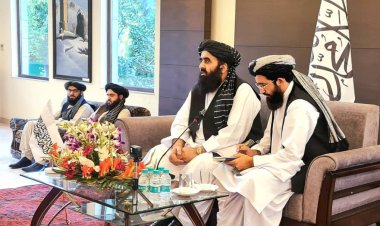
He adds that some Taliban officials appear only for publicity, taking media photos but providing no real help. Taliban members sometimes even pose as earthquake-affected families to claim aid.
Ahmad Sapi (pseudonym), a resident of Chawki district, Kunar, also criticizes local Taliban authorities. He says no aid has reached displaced families, and assistance provided by humanitarian organizations is neither fair nor organized.
He explains that the Taliban actively participate in registering needy families, pressuring local staff to include their members and relatives on beneficiary lists, and demanding a “share” from genuine recipients.
“The chaos in aid distribution is caused by the Taliban. Aid is handed over to them with approval from tribal elders, while real victims continue to face severe economic hardship.”
In Darah-Nur district, Nangarhar, many homes were destroyed, and people’s property was lost in the earthquake.
Zakir (pseudonym), a resident of Amleh area, says much of the humanitarian aid is distributed to fighters and their families with the intervention of local Taliban officials.
“In Darah-Nur, some people received cash and aid in the name of earthquake victims, even though they were not residents of the district but had connections with the Taliban. When distribution began, many fighters from outside the district came to claim aid.”
He adds that Taliban leaders compile long lists of preferred recipients and hand them to local staff to register as beneficiaries. Local staff cannot reject these lists.
“We complained several times, but officials told us that if Taliban members were not included, they would block distribution. We had no choice but to give them a share.”
Sahaar Gul, a social activist, confirms that local Taliban in Kunar, Nangarhar, and Laghman provinces receive humanitarian aid instead of the affected families. Fighters and supporters from other provinces also come to claim aid.
“When we were distributing aid in Kunar with the help of a charity, people told us that Taliban from Helmand, Uruzgan, and Kandahar were collecting aid in the name of Kunar earthquake victims, and no one stopped them. Later, they sold these supplies in the market.”
Sahar Gul adds that affected people are sometimes forced to pay the Taliban to have their names included on beneficiary lists or split the aid with them.
While preparing this report, the team tried to get comments from charitable organizations and international agencies, but they refused due to fear of the Taliban.
Earlier, the U.S. Special Inspector General for Afghanistan Reconstruction (SIGAR) reported that while Afghanistan faces one of the largest humanitarian crises in the world, the Taliban have increased interference in NGO activities and humanitarian aid, creating obstacles to their work.