Nowruz and Eid Traditions Continue in Nangarhar and Kandahar
Traditional practices associated with Nowruz (Persian New Year) and Eid remain an important part of social and cultural life in Afghanistan, particularly in Nangarhar and Kandahar provinces. These customs include the practice of the fiancé’s family presenting gifts to their future bride during these special occasions.
With the arrival of the New Year and religious holidays, engaged men prepare gifts for their fiancées. These typically include clothing, gold jewelry, sweets, fish, and other items, which are arranged in decorated trays and delivered to the bride’s family home, often accompanied by songs and celebrations.
Omidullah, a resident of Nangarhar who recently got engaged, said: “It has been two months since my engagement. During Nowruz and Eid, I personally take gifts to my fiancée. I bring gold, special clothes, sweets, and other items in decorated trays to her family’s home. If this tradition is not followed, it may affect how the family is perceived in the community.”
Shabnam Safi, a resident of Jalalabad, notes that as Nowruz approaches, families strive to prepare gifts for their fiancées. “If a girl does not receive Nowruzi gifts, people may think the groom’s family does not respect her. In some cases, engagements have nearly been called off because of this tradition,” she says. Safi emphasizes that gifts should be given voluntarily, without pressure on the groom’s family, and that even modest offerings can maintain goodwill between the two families.
In Kandahar, Nowruz and Eid traditions are similarly observed. Young people often celebrate outdoors, visiting recreational areas and spending time with family and friends. Bismillah Jan, a resident of Aino Mina in Kandahar, says: “Engaged men visit their fiancée’s family a few days before Nowruz with gifts such as clothes, gold, and sweets, beautifully arranged in trays. These gifts are an important part of maintaining family bonds.”
However, not all families can afford to fully participate in these customs. Jan adds that while the Taliban have imposed restrictions on some cultural practices, including Nowruz and Eid traditions, many families continue to observe them, though in some areas the celebrations have become less visible.
Cultural activist and writer Marzia Mohammadi highlights the long-standing significance of these practices: “The tradition of bringing Nowruzi gifts has existed in Afghan society for generations. Even small gifts can make the bride happy and strengthen the bond between families.”
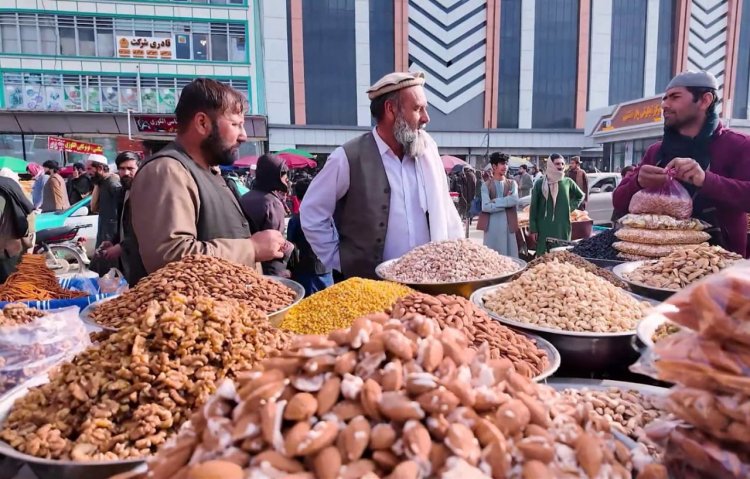
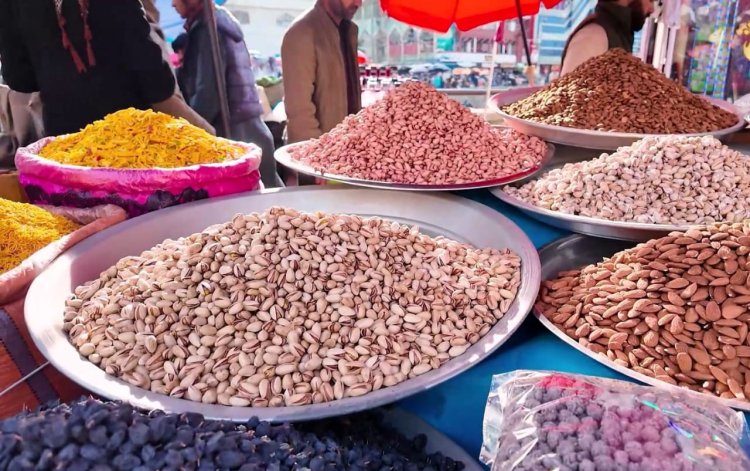
Across Afghanistan, including in Kabul and Mazar-e-Sharif, Nowruz is celebrated annually with raising ceremonial flags, preparing samanak (a traditional sweet dish), arranging haft mewa (a mixture of dried fruits and nuts), and visiting relatives with gifts while enjoying festive outdoor activities.