Silent Crisis: The Toll of Forced Marriage on Afghan Girls
While this year’s 16 Days of Activism campaign focuses on gender-based violence online, the reality for women and girls in Afghanistan extends far beyond the internet. Since the Taliban regained power, violence and restrictions against women have risen to unprecedented levels.
The Rights Monitor Media will cover the campaign by sharing news, reports, personal stories, and reflections from Afghan women and girls, highlighting their experiences with violence and restrictions
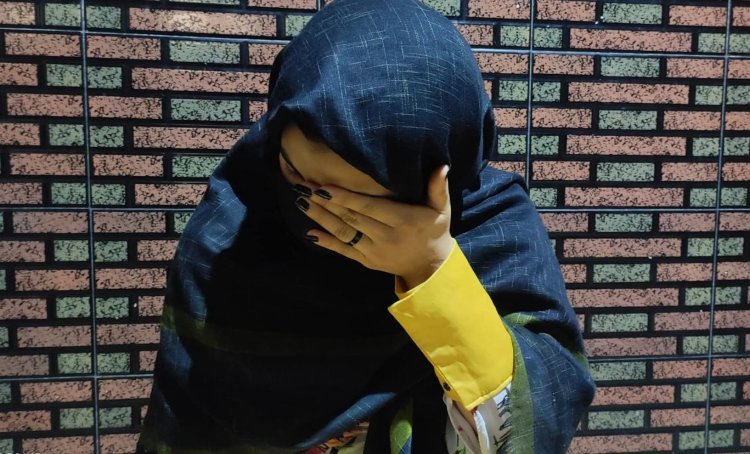
This report documents the cases of two Afghan girls who died by suicide after prolonged pressure from forced engagement, domestic violence, and the loss of educational and social protections. Their stories reveal how school closures, family coercion, and shrinking options for girls have contributed to a rise in suicide cases across the country.
Tahmina, an 18-year-old from Alingar district in Laghman, died last year after months of domestic violence and a forced engagement. Following the shutdown of girls’ schools, she was pulled out of education; soon after, her family engaged her to a cousin without her consent. According to her brother, Eisa Khan, this marked the beginning of her psychological decline.
Eisa Khan, 33, says Tahmina had become increasingly withdrawn and displayed signs of severe depression:
“Several times Tahmina told us she wasn’t happy with the engagement,” he recalls. “But my father was strict and dismissed her objections.”
He adds that in the final months, her behavior changed noticeably: “She preferred to stay alone most of the time and avoided interacting with the family.”
On the day of the incident, most family members were at a wedding, leaving Tahmina and her ill mother at home.
Eisa Khan says: “She went to the kitchen, locked the door, poured a small container of oil over herself, and set herself on fire.”
He says neighbors arrived after hearing screams, but Tahmina was already dead.
“My father blames himself,” he adds. “My mother developed psychological issues, and none of us sleep properly since that day.”Forced marriage and domestic violence are widespread, and Maryam’s case reflects a similar pattern.
Maryam, a 16-year-old from Nurgal district in Kunar province, died by suicide last year after being engaged to a man significantly older, addicted to drugs, and already married. Her family had been unaware of his background at the time of engagement.
Mohammad Naeem, her cousin, describes the moment they found her:
“When we broke the door, we saw her body hanging from a rope,” he says. “No one could believe a 16-year-old girl would take her own life this way.”
He explains that ongoing abuse and the forced engagement left her terrified and desperate.
“Maryam had been given to someone she never wanted—much older, using drugs, and with another wife,” he says.
In recent years, restrictions on education, employment, and public participation for women have increased the number of forced marriages. With limited options, many families see marriage as the only path forward—even when girls oppose it.
Psychologist Dr. Jamil says ignoring girls’ consent can lead to severe emotional outcomes and long-term psychological harm.
He notes that suicide results from multiple factors:
“Loneliness, hopelessness, and pressure create vulnerability,” he says. “For a stable life, consent, age, education, and economic stability matter—but these are often ignored.”