Unseasonal Rains and Floods Raise Concerns Over Agriculture in Afghanistan
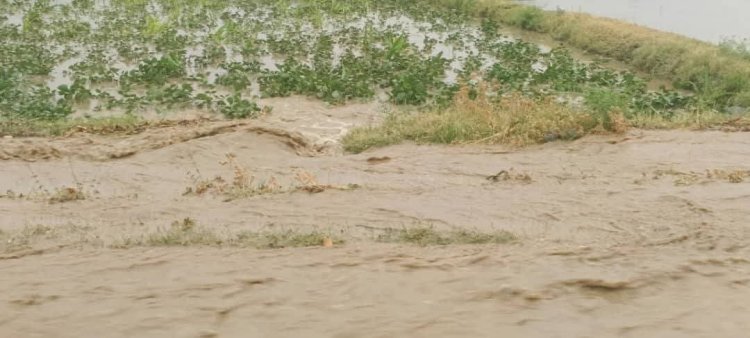
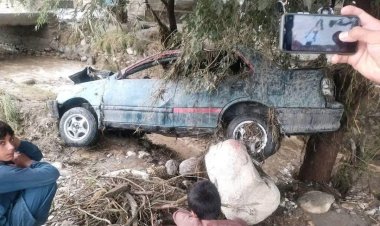
Unseasonal heavy rains, flooding and hailstorms in recent weeks have caused widespread damage across multiple provinces of Afghanistan, including Kabul, leaving farmers, orchard owners and agricultural traders facing significant financial losses.
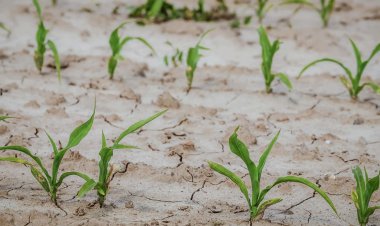
Local sources from Nangarhar, Laghman, Kunar, Khost and Logar provinces report that the abnormal weather conditions have contributed to the spread of wheat rust disease in agricultural fields. The disease, which darkens wheat spikes and reduces grain formation, has significantly lowered yields and worsened farmers’ economic conditions.
Shamsuddin, a farmer from Behsud district in Nangarhar, said agricultural output had dropped sharply this year.
“Previously, we harvested up to 20 man (a local unit equal to about 7 kilograms) of fresh vegetables per jerib (around 2,000 square meters) of land, but this year the yield has been reduced by nearly half,” he said, adding that prolonged rainfall and hailstorms had severely damaged crops, with some fields entirely destroyed.
Muhammad Asif, a farmer from Nurgal district in Kunar, said he cultivated wheat on three jeribs of land, but part of the harvest was washed away by floods while the remainder was affected by wheat rust.
“The disease reduces yields by up to 50 percent, but we do not have access to the necessary treatment,” he said.
Orchard owners also report substantial losses. Many farmers typically sell their orchard production in advance before harvest, but this year’s adverse weather conditions have resulted in widespread destruction of fruit crops.
Abdulwahab, an orchard owner in Laghman, said he had sold his two-jerib orange and tangerine orchard for 350,000 Afghanis before the harvest.
“However, rainfall and hailstorms damaged the orchard and destroyed the fruit entirely,” he said.
Masoud, an orchard owner in Khost, said his plum and peach orchards were also severely affected.
“We usually sell orchards before harvest, but this year we are forced to refund the buyers as the crops have been destroyed,” he said.
Traders have likewise suffered losses. Sayed Ali, a fruit trader, said he had pre-purchased around 25 jeribs of orchards across several provinces, but much of the produce was destroyed by flooding and hail.
“Damaged orchards no longer yield properly, and even the remaining fruit cannot be sold at reasonable prices. Traders are being forced to sell at a loss,” he said.
Agricultural experts attribute the situation to the growing impact of climate change. Muhammad Arif Dehqan, an agricultural specialist, said rainfall is beneficial when seasonal but destructive when it occurs outside the expected period.
“Unseasonal rainfall leads to plant diseases and can affect productivity into subsequent seasons,” he said, calling for greater support for farmers through improved seeds, fertilizers and agricultural inputs.
Meanwhile, the Taliban authorities said 77 people have been killed and 137 injured in recent weather-related incidents. Around 3,500 houses have been partially or fully destroyed, while thousands of jeribs of farmland have been damaged.
The continuing extreme weather has raised concerns over agriculture, food supply and rural livelihoods, underscoring the need for urgent measures to address the growing impact of climate change in Afghanistan.