Deforestation in Konar and Nuristan: A Growing Environmental Crisis in Afghanistan
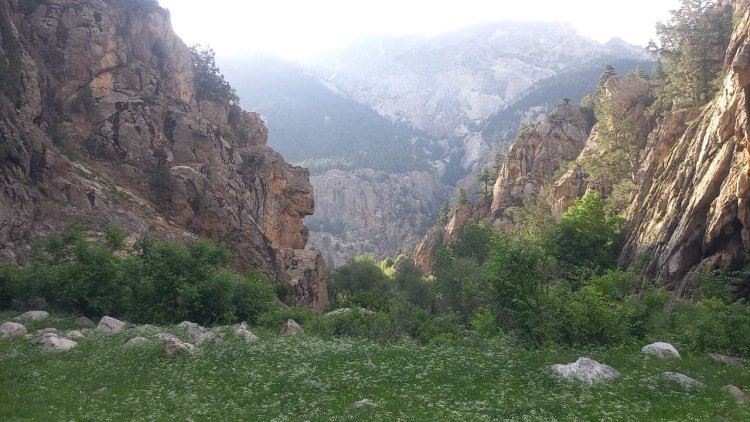
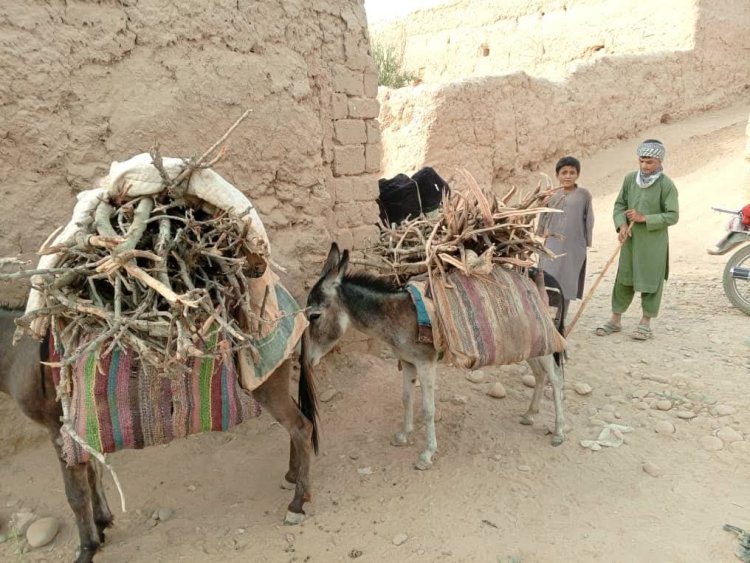
Konar and Nuristan provinces in eastern Afghanistan are among the country’s most verdant and mountainous regions, with extensive natural forests covering their hillsides.
These forests provide not only ecological balance but also a unique scenic beauty to the provinces. However, in recent years, widespread illegal logging has emerged as a major environmental concern for local communities. If left unaddressed, the consequences could be severe and irreversible, affecting both the natural ecosystem and the livelihoods of residents.
Ibrahim, a resident of Nari district in Konar, told RM Media that illegal logging has surged in various areas of the province in recent months, with no effective monitoring or enforcement in place.
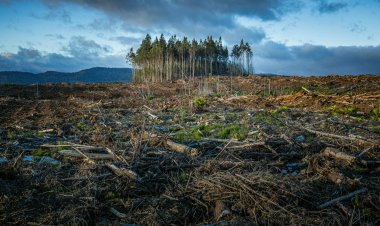
He warned that the current rate of deforestation could trigger serious environmental challenges: “Forests are being cut mercilessly by Taliban supporters and some local residents. They use saws and other tools to fell trees. Logging has intensified and continues unabated.”
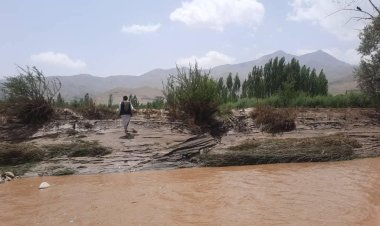
According to Ibrahim, the widespread tree-cutting has already contributed to destructive floods, soil erosion, and land degradation in parts of the province.
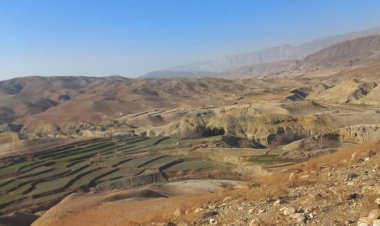
He added: “The felled trees are sold cheaply to traders. These forests used to mitigate floods and prevent soil erosion, but now they are gone. Areas that were once lush meadows have been reduced to rocky wastelands by flooding.”
Sayed Omar, a resident of Sarkano district in Konar, expressed similar concerns. Despite raising the issue of deforestation and timber smuggling with local Taliban authorities, he says the practice persists and calls for decisive action.
“The Taliban are fully aware of the logging, which occurs under their oversight, with portions allocated to local Taliban. Forests are a national resource and must be protected,” he said.
In neighboring Nuristan province, forests face a similar threat. Ghulam Nabi, a resident of Parun, Nuristan’s provincial center, reported that unregulated mining has compounded forest destruction.
“In districts such as Bargi Matal, Parun, Kandesh, and others, mining of valuable minerals has begun,” he explained. “During extraction, trees are destroyed, damaging large forest areas and placing remaining forests at risk of total loss.”
Nabi further noted that forests in both Konar and Nuristan are cut with the support of local Taliban and trafficked to Pakistan.
He urged local communities to take collective action to protect these national resources: “If people do not unite to safeguard the forests and form community-based protection networks, the forests will be entirely lost.”
Environmental experts have also sounded alarms over the increasing deforestation in eastern Afghanistan.
Engineer Mohammad Samim, an environmental specialist, said that the recent rise in flood damage in the region is closely linked to deforestation. He emphasized that the loss of forests could lead to significant economic, human, and ecological costs.
“In recent years, floods and earthquakes have become more frequent in eastern provinces, particularly Konar and Nuristan, primarily due to forest loss. Without intervention, the natural consequences will worsen, making forest protection critical,” he noted.
According to Samim, deforestation accelerates climate change, increases flood severity, causes soil degradation, raises earthquake risks, reduces oxygen production, and erodes natural landscapes.
Efforts to obtain a response from Taliban authorities in the provinces were unsuccessful.
Current data indicate that thousands of hectares of forests still exist in Konar and Nuristan, but a significant portion has already been felled, with timber smuggled both domestically and across the border.