Shab-e Chella (Yalda Night) in Afghanistan
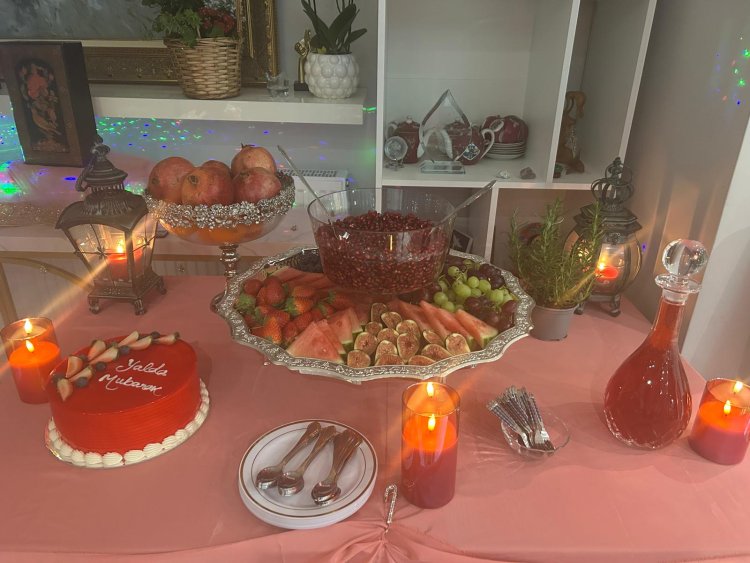
Yalda Night, also known as Shab-e Chella, marks the winter solstice and the longest night of the year. It is one of the oldest cultural traditions observed across Persian-speaking societies. The night symbolizes the victory of light over darkness, the renewal of hope with the return of longer days, and the continuity of life. It also serves as an important social tradition that strengthens family ties and communal solidarity. Many believe that during the longest night of the year, darkness reaches its peak; lighting homes and gathering together therefore symbolizes the conscious invitation of light, life, and hope into both homes and hearts.
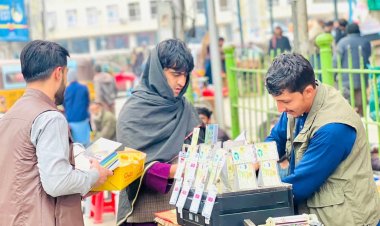
In Afghanistan, families and relatives traditionally come together on this night to share conversations, recount historical and folkloric stories, recite poetry, seek divination through the poetry of Hafez, and read from the Shahnameh. A symbolic spread of seasonal foods is prepared, typically including pomegranates, watermelon, sweets, and dried fruits. Watermelon represents health and vitality, pomegranates symbolize abundance and blessing, and nuts signify prosperity, generosity, and friendship.
Beyond celebration, Yalda Night holds deeper cultural significance. It represents the preservation of collective memory, the transmission of cultural heritage to younger generations, and the central role of family in Afghan society. In times of uncertainty, such traditions reaffirm identity, continuity, and resilience.
Yalda Night was officially inscribed in 2022 as a shared intangible cultural heritage of Iran and Afghanistan by UNESCO, recognizing its enduring cultural and historical significance.