Pathways to Justice: Advancing Accountability for Women of Afghanistan
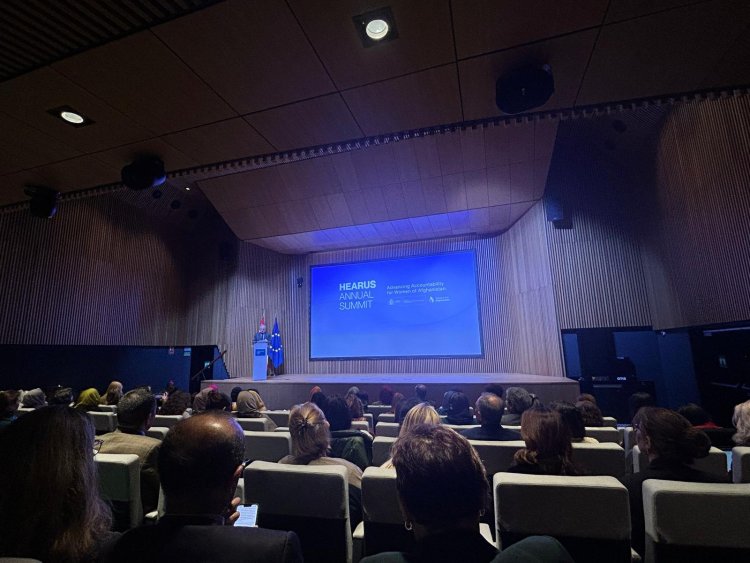

HearUS Pre-Summit Workshop | Madrid, Spain | 11 December 2025
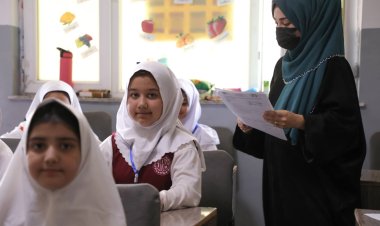
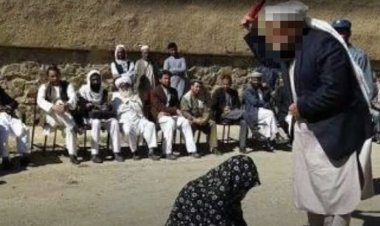
Afghan women leaders, legal experts, human rights advocates, and civil society representatives convened in Madrid to evaluate the rapidly deteriorating human rights situation in Afghanistan and to define concrete pathways for accountability. Over four years after the Taliban’s return to power, systematic policies have pushed Afghanistan toward the near-erasure of women and girls from public, professional, and political life. Participants emphasized that these violations constitute crimes against humanity and gender apartheid, demanding an urgent, coordinated international response.
The workshop was structured around four expert panels:
Panel One: The ICJ Case on Afghanistan and CEDAW Commitments
Moderator: Ms. Horia Mosadiq
This panel examined Afghanistan’s legal obligations under the Convention on the Elimination of All Forms of Discrimination against Women (CEDAW) and the status of the case before the International Court of Justice (ICJ). Experts highlighted:
- The necessity to advance the ICJ case decisively, as diplomatic avenues have failed.
- Supporting women-led civil society organizations documenting violations.
- Implementing targeted sanctions against Taliban leaders.
- Facilitating access to universal jurisdiction mechanisms in domestic courts abroad.
- Using fines and penalties from sanctions to partially fund survivor reparations and accountability mechanisms.
Panel Two: The ICC Case and Building Synergies for Justice
Moderator: Zia Moballegh
Following the issuance of ICC arrest warrants for senior Taliban leaders, the panel discussed challenges in enforcing ICC decisions, procedural delays, and the importance of expanding investigations to additional perpetrators. Key points included:
- Ensuring transparency and accessible information for victims and affected communities.
- Guaranteeing meaningful participation of Afghan women, survivors, and human rights defenders.
- Complementing ICC efforts with universal jurisdiction, asset freezes, travel restrictions, and financial-account tracing.
- Coordinating with states and international bodies to enforce ICC arrest warrants and decisions.
Panel Three: Next Steps for the Independent Investigative Mechanism (IIM)
Moderator: Maryam Gardiwal
The panel focused on operationalizing the Independent Investigative Mechanism on Afghanistan (IIM), adopted by the UN Human Rights Council in October 2025. Recommendations included:
- Immediate and unconditional allocation of approved budgets.
- Recruitment of independent, gender-competent, and context-aware staff.
- Establishing survivor advisory bodies to ensure participation and a trauma-informed approach.
- Coordinating with the ICC, ICJ, and domestic courts to convert documentation into actionable prosecutions.
- Securing protection measures, safe communication channels, and risk assessment for victims and witnesses.
- Operationalizing a trust fund to support rapid scale-up and sustain activities.
Panel Four: Campaign on Gender Apartheid
Moderator: Najia Hanifee
The panel explored strategies to codify gender apartheid as a crime against humanity and create global cohesion around the campaign. Recommendations included:
- Supporting formal recognition of gender apartheid in international legal frameworks, including the UN crimes against humanity treaty.
- Strengthening ICC investigations to include systematic gender-based persecution.
- Expanding access to education, including independent, remote, and cross-border programs.
- Providing protection, relocation pathways, and emergency support for women human rights defenders.
- Integrating survivor perspectives and learning from transitional justice contexts (e.g., Argentina, South Africa).
Conclusion
The workshop concluded that accountability for crimes against Afghan women requires a coordinated, all-tools approach: combining international justice mechanisms, political pressure, targeted sanctions, survivor-centered initiatives, and robust civil society engagement. Immediate and sustained actions are essential to prevent impunity, protect women’s rights, and ensure justice remains central to the international response to Afghanistan.