Afghan Returnees from Pakistan Endure Winter Cold Without Shelter

The forced return of Afghan refugees from various cities in Pakistan has recently accelerated, with hundreds of families crossing back into Afghanistan every day through the Torkham and Spin Boldak border crossings. Afghans who remain in Pakistan are also facing the threat of forced deportation.
Some of these families, currently residing in a refugee camp in Torkham, Nangarhar province, say they are deeply concerned about surviving the winter and are in urgent need of food, fuel, and other humanitarian assistance.
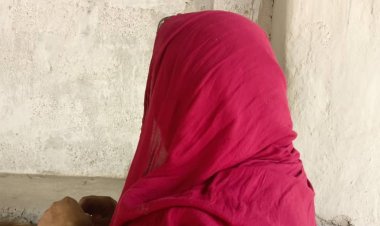
Hakim Jan, a resident of Nangarhar who was recently deported from Pakistan, says that since returning to Afghanistan he has been struggling with severe economic hardship. He has no shelter and says he has received very limited humanitarian assistance, adding that his family has largely been overlooked by aid organizations.
He and his six-member family have been living under a tent in a designated refugee camp in Torkham for nearly two months, enduring harsh living conditions day and night.
“The weather is extremely cold at night, and many children, including mine, have developed pneumonia,” he said. “I do not have a home, and I cannot afford to rent one.”
Hakim Jan also says that in Pakistan, not only undocumented Afghan refugees but even those with legal residency documents are being harassed.
“Even those who have passports cannot move freely. The offices responsible for passport renewal are closed. The police arrest people, deport them, or extort money. If they do not pay, they are beaten,” he said.
Sayed Nabi, another Afghan recently deported from Pakistan, says many refugees were forced to sell their livestock and household belongings at very low prices before returning to Afghanistan.
He recounts incidents of beatings by Pakistani police, saying Afghan refugees were treated badly by both the authorities and some members of the public, and were often labeled as terrorists.
According to him, many refugees are unable to return voluntarily due to the lack of job opportunities in Afghanistan.
“Wherever Pakistani police found Afghans, they took money from them, beat them, and imprisoned them,” he said. “Life was becoming harder every day. We lost whatever assets we had and returned to our country empty-handed. Even here, the problems continue.”
Now living in a tent, Sayed Nabi has called on humanitarian organizations to accelerate the delivery of aid and increase attention to returnees, saying his family has received very limited assistance. He says they face an uncertain future due to the lack of shelter.
“We received assistance once in Torkham, but since then, unfortunately, we have not received any humanitarian or cash aid,” he said. “No one is addressing our problems. If we are not provided with shelter and assistance, our lives will become even more difficult.”
Families who have returned to Nangarhar say they are currently living in rented houses that are unsuitable for basic living conditions. They are calling on aid organizations to support them in securing permanent housing.
According to available information, hundreds of families are returning daily from Pakistan and Iran. However, most lack shelter, and many are currently enduring extreme hardship, spending their days and nights living under tents.