Women on Afghanistan’s Streets: Struggling for Survival Under Poverty and Exclusion
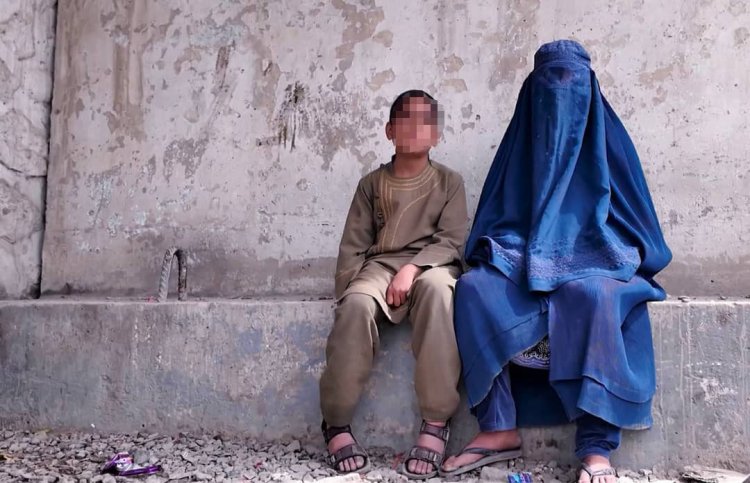
The rain soaks the busy streets of Kabul. In the Pul-e-Khishti area, amid the constant flow of people, Yasmin, 38, sits on the ground carefully arranging packets of tissues. Every few minutes, she lifts her gaze to the passersby—hoping someone might stop, or perhaps buy something.
Yasmin’s husband, a military officer under the previous government, was killed in an explosion. Since his death, she has been the sole caretaker of their five children.
“For four years now, I have been selling goods on the streets,” Yasmin says. “When my husband was alive, life was stable. After he died, I had no choice but to leave the house every morning to find work. I earn 100 to 150 Afghanis a day, but it barely covers our basic needs.”
Beyond financial struggles, Yasmin faces harassment while working on the streets. “Thousands of people watch me as I sell my goods. Some ask why I’m not married; others make inappropriate suggestions. But I endure it all. I just need to earn an honest living for my children.”
Despite hours of sitting by the roadside, sales are often meager. As dusk approaches, Yasmin packs up her unsold goods. “Today, sales were low again…” she says. Still, she knows she will return tomorrow—this work is the only way to keep her family alive.
Yasmin’s story is far from unique. Hundreds of kilometers away, in Jalalabad, Noora, a mother of four, starts her day even earlier. On a small street corner, she arranges her modest stall: bottles of water, children’s clothes, and a few food items, all neatly displayed in hope of selling.
Noora once lived a different life. She worked as a teacher for twelve years but lost her job last year. “I was laid off under the pretext of downsizing,” she says. “My husband is sick, and my children are too young to work.”
Now living in a rented home, Noora bears full responsibility for her family. Yet, with declining sales, she struggles to make ends meet. “There are more sellers than before, but fewer buyers. Many days I return home empty-handed… sometimes I can’t even pay the rent.”
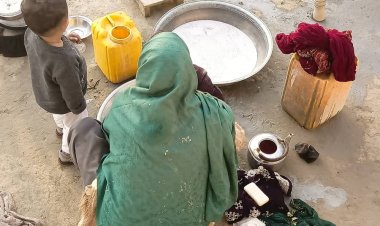
To survive, Noora sometimes takes on extra work—cooking, cleaning, and laundry for other families—but even these efforts are not always enough. Her life revolves around an unending cycle of work, home, and worry.
The experiences of Yasmin and Noora reflect a broader reality for Afghan women. Since the Taliban returned to power in August 2021, women have been largely barred from work and education, pushing many into informal, low-paying jobs to survive. According to the United Nations, 78% of young Afghan women are neither in school, employed, nor enrolled in skills development programs.
Despite immense challenges, these women continue their struggle for survival, often unseen and unsupported.