The Afghan Girls' Stories: A Grey Eid
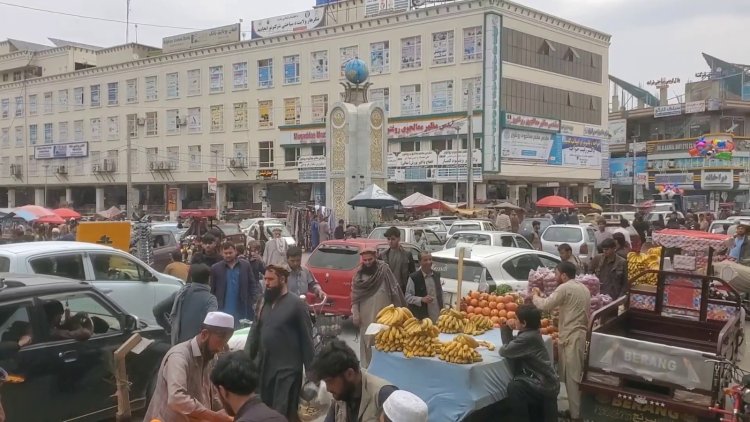
Eid is here. But I can no longer remember what it truly felt like. I want to return to my childhood, to those mornings when I woke with henna-stained hands. Back then, new clothes were a delight, not a necessity. Now, time moves quietly; before you notice, years slip by, blossoms bloom, and spring spreads its colors—but joy, for me, feels distant. I am a young woman with restless eyes, wandering beneath a grey sky, searching for a fragment of happiness.
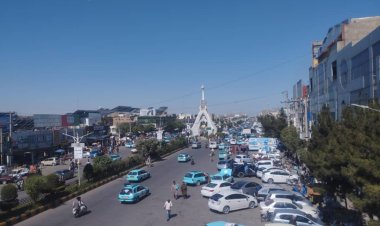
The sky hangs heavy, darkened like a face worn down by suffering. It has been raining for days—today, yesterday, and the day before. The alleys are thick with mud, and the city hums with movement as people shuttle between shops, carefully bargaining to lower prices. Stalls are filled with colorful sweets, and customers buy them in large amounts, preparing for celebration.
But not far from them, children stand—dust on their faces, thin clothes clinging to their small bodies—selling plastic bags to passersby. They run after people with fragile voices, calling out, begging them to buy. Their words carry urgency, almost like hunger itself. When you listen closely, their voices do not sound like a sale; they sound like a plea. Here, words begin to resemble bread, and Eid becomes something else entirely—less a celebration, more a display for those who can afford it.
Eid is not the same for everyone. The more I look at the lines on people’s faces, the more certain I become of this. There are those set apart—the city’s poorest—whose lives echo the characters I once read about in Dostoevsky’s Poor Folk. But these are no longer distant stories; they are real, unfolding in the streets before my eyes.
On busy roads, among passing cars, scenes unfold that leave a bitter taste. Elderly men, bent with age, their faces burned by the sun, stand in the middle of the road, tapping on car windows one after another. Drivers pass without looking. For them, Eid is not a day of celebration—it is another day of survival.
Whenever I think of happiness, the thought of injustice follows. The city begins to resemble a marketplace at the edge of the world—crowded, restless, unequal. Children run endlessly, chasing after bread, yet never quite reaching it. No matter how fast they run, or how desperately they call out, it remains just out of reach.
My mother used to say, “Life is like a lame donkey.”
And in moments like this, watching the city prepare for Eid, I begin to understand exactly what she meant.