Pakistan Border Closure Denies Afghan Cancer Patients Life-Saving Care
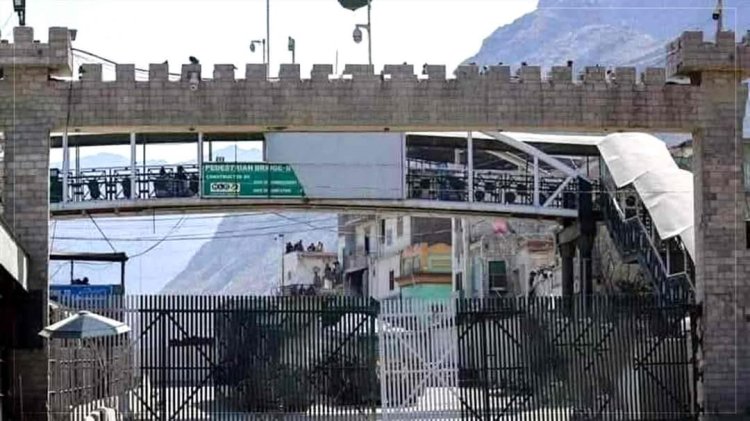
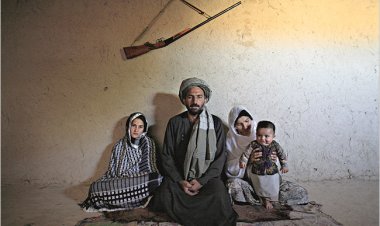
For Mohammad Hashim, every day brings a new worry. His wife, who is battling breast cancer, has been unable to travel to Pakistan for her medication and doctor’s appointments for over three months due to the closure of the Torkham border crossing.
“I have three children,” Hashim says. “Every four months my wife needs to go to Pakistan for medication and check-ups. Now her medicines have run out, and her health is deteriorating because treatment isn’t available here.”
The closure of the border and restrictions on visas have put hundreds of cancer patients at risk, with some losing their lives after being unable to access timely care.
Seyed Wali, a resident of Nangarhar, lost his father to cancer under similar circumstances. “I could not afford a plane ticket or a treatment visa to take my father to Pakistan. I waited for two months at Torkham, but nothing happened. He died because he couldn’t see a doctor,” Wali recounts.
For most Afghan patients, specialized hospitals in Pakistan are the only option for regular cancer treatment. Rising travel costs have made access even harder: plane tickets now exceed $350, and a three-month treatment visa can cost over $1,500.
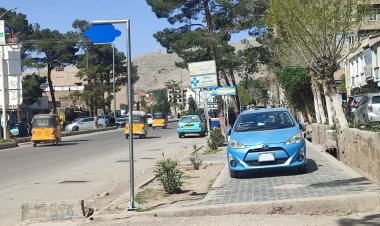
The Torkham crossing has been closed for more than three months due to political tensions and border clashes between the Taliban and Pakistani authorities, putting the lives of Afghan cancer patients in serious jeopardy.
According to the World Health Organization, roughly 20,000 people are diagnosed with various cancers in Afghanistan each year, and 15,000 die from the disease. The most common cancers include breast, stomach, esophagus, oral, uterine, and lung cancers.
Health advocates are calling on authorities to prioritize humanitarian access and ensure that patients can cross the border for treatment without delay.