Forced Return from Pakistan Leaves Afghan Children Without Education or Shelter
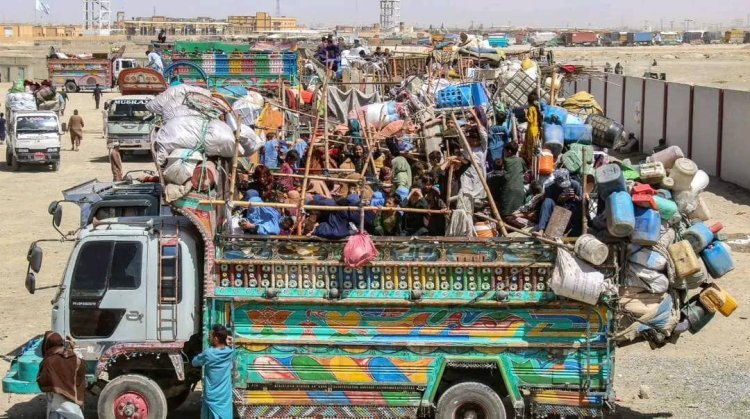
Thousands of Afghan migrants have been forcibly returned from Pakistan in recent months, leaving children and adolescents in precarious conditions with an uncertain future. Many families lack permanent homes and access to education, while economic pressures and social restrictions exacerbate the humanitarian crisis.
Shir Ahmad, 14, from Kunar province, studied up to seventh grade in Pakistan before returning to Afghanistan through the Torkham border. His father, Nasir Ahmad, says the family has no home of their own and now relies on relatives for shelter. “All our household belongings were left behind,” he says. “My children have been denied schooling. Life grows harder each day, and I see no prospects for their education.”
Every day, hundreds of Afghan migrants arrive via Torkham. Many are temporarily housed in border camps, often in harsh winter conditions. Noorullah, who returned last week from Punjab province, now lives in one such camp with his family. He worries not only about finding work and housing but also about his daughters’ education.
“My two daughters studied up to ninth grade in Pakistan,” he explains. “But now there is no way for them to continue. I am deeply worried about their future.” The girls spend their days in the camp without access to schools, books, or learning materials, revising old lessons in a confined environment. According to Noorullah, the lack of higher education opportunities for girls, social restrictions, and economic hardship have diminished their motivation and hope.
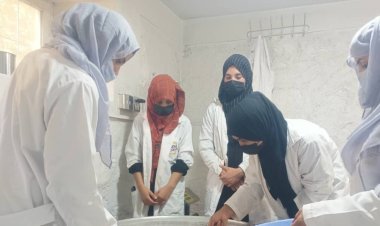
Maryam Wafa, another teenage girl, returned after completing eleventh grade in Pakistan. She describes her frustration: “Since coming back, I haven’t felt good for a single moment. I cried because I knew I could no longer continue my education.” She adds that while every girl dreams of a better future, daily struggles make that future nearly impossible.
According to UN and UNHCR data, children make up more than half (56–59%) of those returning from Pakistan, while nearly half are women, many of them young girls. Humanitarian organizations warn that without urgent intervention, thousands of Afghan children risk losing access to education and safe shelter, with long-term consequences for their development and well-being.
International agencies have called for increased support, including temporary learning centers, emergency shelter, and programs to prevent child labor and exploitation. However, logistical challenges and security concerns continue to limit the reach of aid in border regions.