
Inside Nangarhar Prison: Taliban’s Systematic Abuse of Prisoners’ Rights
Exclusive report by R.M. Media
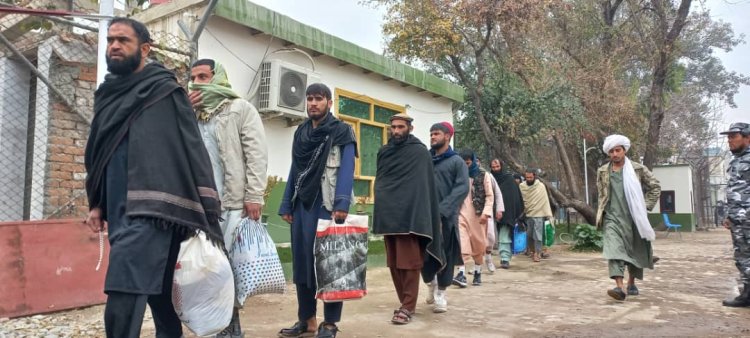
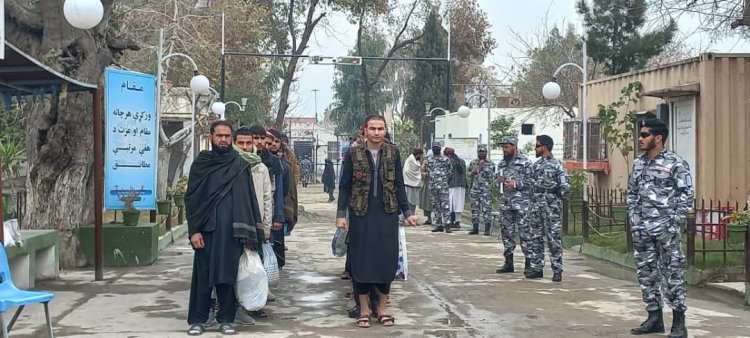
Exclusive reports from Nangarhar Prison reveal that detainees under Taliban control are subjected to systematic human rights violations. Severe overcrowding, inadequate medical care, and prolonged delays in case processing have put prisoners’ physical and mental well-being at grave risk. Local sources and family members report widespread contagious diseases, torture to extract forced confessions, and serious flaws in the judicial system.
According to these sources, the absence of clean drinking water, frequent electricity cuts, limited access to medicines, and inadequate medical services have contributed to the spread of skin diseases, particularly scabies (a contagious skin infestation caused by mites).
The brother of one prisoner, who requested anonymity due to the sensitivity of the matter, said, “Prisoners are provided with no medical care or other facilities. Only when a prisoner’s health deteriorates to a coma stage is he taken to the hospital.” He added, “We buy medicines for my brother ourselves, and they make it very difficult for us to bring them into the prison.”
One of the main reasons for the spread of disease is severe overcrowding, with prisoners held in rooms far beyond their intended capacity. Zahir Khan, a family member, said, “The main problem is lack of space. In a room designed for five people, fifteen are crowded in, and this has led to the spread of contagious diseases, while no treatment is provided.”
Dr. Hashmatullah Afghan, an infectious disease specialist, warned, “Most contagious diseases spread in crowded and unhygienic conditions, and the prison is a clear example. If patients are not treated promptly and healthy individuals are not separated from the sick, all prisoners will be exposed to these diseases.”
Meanwhile, several families said that rights violations are not limited to medical care. Prisoners are also subjected to torture and pressure for forced confessions during detention and interrogations.
Habib Shah, a family member, said, “Prisoners are transferred to solitary cells at night and are subjected to harassment and abuse.” Reported methods include beatings, sleep deprivation, electric shocks, and being thrown into water. He added, “In many cases, detainees were forced to confess under torture before completing investigations or gaining access to a lawyer.”
Delayed case processing and prolonged detention without judicial verdicts are also major concerns. Muhammad Hashim, a prisoner speaking under a pseudonym, said, “Those who have actually committed crimes are released through connections and bribes, while innocent people remain in prison for years.” He added, “If you have connections or money, no case lasts more than two months. Taliban prosecutors and judges take bribes and apply the law only to the poor.”
In addition, the quality and quantity of food, restricted family visits, and limited access to hygiene supplies are among the other challenges prisoners face.
Muhammad Hashim said, “The food provided is often of poor quality, and sick prisoners are not treated promptly. Most criminal prisoners are not allowed to see their families, and cases are not processed on time; as a result, prisoners remain in limbo for months, even years.”
The situation in Nangarhar Prison, characterized by severe overcrowding, inadequate medical care, and judicial neglect, exposes detainees under Taliban control to systematic human rights violations. Experts and families warn that if these conditions persist, they could trigger serious health and legal crises, putting prisoners’ physical and mental well-being at grave risk. Immediate intervention by authorities and international oversight is urgently needed.
Meanwhile, Taliban officials have repeatedly claimed that prisons under their control meet proper standards and that no torture or rights violations occur. However, reports and eyewitness accounts contradict these claims.
R.M. Media previously reported on conditions in prisons in Kunduz and Badakhshan, documenting multiple instances of torture, prolonged detention without judicial verdicts, and violations of basic rights. Current evidence indicates that such problems persist in Nangarhar Prison, demonstrating that the prison system under Taliban control continues to face serious systematic challenges.