A Letter from an Afghan Girl to Anne Frank:
Two Notebooks, One Prison
Dear Anne Frank,
I read your diary, and I wept for you from beginning to end. Every line you wrote, every moment of fear and fragile hope, became a mirror for me—a reflection of what it means to live under constraint. I grieve for you: for all the hardship you endured, for the sweets you never tasted, for the air you never breathed without fear, for the nature you never fully beheld, for the freedom you never touched, for the love you never lived. I feel ashamed—for everything that was taken from you, for the freedom that was your right and yet denied to you.
My dear Anne,
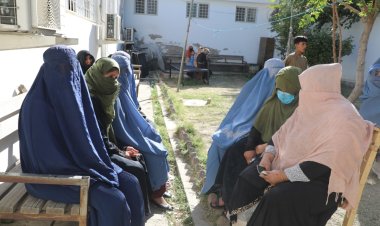
you watched the sky through the limits of your small, dark hiding place. Today, I count my breaths behind the walls of my home, in a land governed by harsh laws. I want to study. I want to walk freely in the streets. I want to live. But fear walks beside me at all times. Balkh, Kabul, or Herat—there is nowhere one can live without fear, just as you were never truly safe in your hiding place in Amsterdam.
Dear Anne,
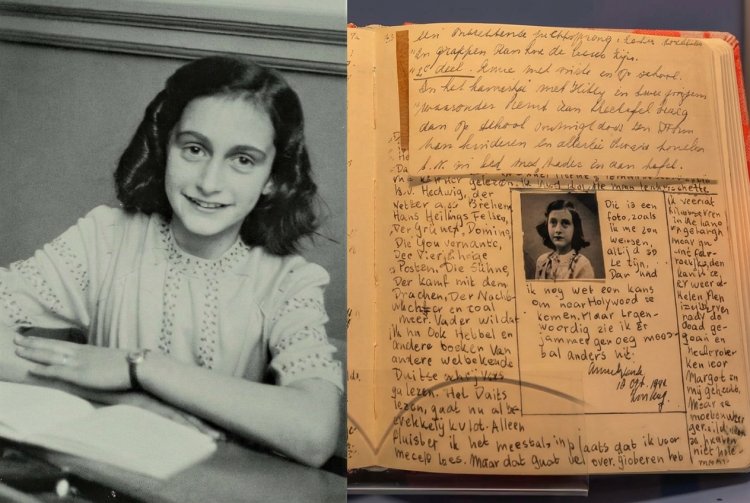
when you sat in that small, dark room and wrote every moment of fear and hope into your notebooks, you likely did not know your voice would still be heard today. I write too—but I write with fear. I fear someone might see my notebook. I fear my voice will be silenced. And yet, like you, I try to record things: my fears, my brief joys, the dreams no one sees. Your notebook became a testimony for the world. Mine is only for a day that may come—when we can once again live freely and breathe.
I often think how different everything would have been if you had lived. By now, you would surely have become a formidable journalist, a powerful writer. I tell myself that someone who lived in captivity, who witnessed such cruelty, if alive today, would write for the girls of Afghanistan—would publish, would speak, would become the voice of those who are unseen. Ah, how bitter it is that the world lost you.
I admit this: our suffering is not equal to yours. We are still breathing. We are still alive. But dear Anne, know this—our fate may yet resemble yours. Perhaps not with that death, not with those camps, but in longing for freedom. Perhaps we will survive, while our dreams are slowly buried.
Dear Anne,
in the camp you were sent to—the place you had hidden for two years to escape—you ate so little. Sometimes you only stole a quick glance at the sky; you did not count the stars. When you fell ill, your mother and Margot were not beside you. Was there anyone to bring you water? To check your fever? To cover you? You were alone, and you endured the pain of death in solitude… Oh, my brave dear.
I, too, fall asleep many nights in tears for my unfulfilled dreams. My breathing becomes shallow, my heart presses against my chest, and at times I feel suspended between life and death—not alive enough to live, not dead enough to rest.
Dear Anne,
I cannot push you from my thoughts. Your name has become a land to me; with time, it takes deeper root inside me. My dear, what were you feeling in that camp? When you were alone, when your body weakened, when hope faded—what passed through your heart? How did you endure the pain of dying? In that loneliness, how did you mourn Margot?
How could they do this to you? How could they strip a human being—someone who only wanted to live—of nature, of freedom, of a future?
My dear Anne,
who is this world for? What is power? Socialism, communism—these names and ideologies whose meanings I barely understand—what value do they hold when they can destroy a human life so completely? In the end, who has the right to deprive another person of the sky, of breathing, of nature?