Echoes of Death on Father’s Radio
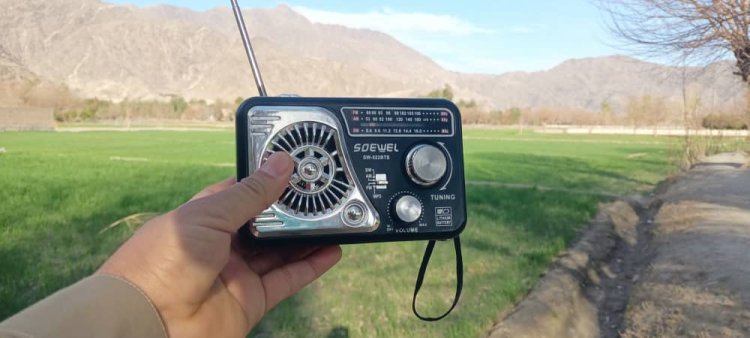
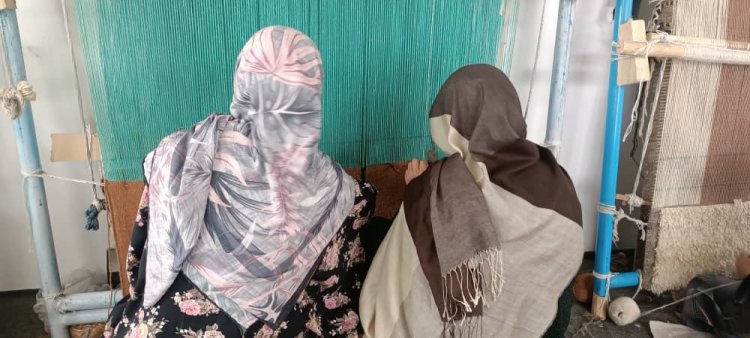
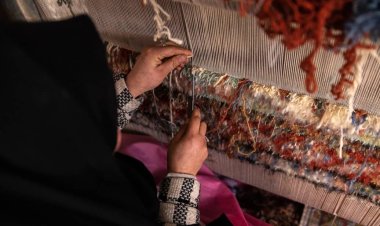
The sound of my father’s radio fills the house, slicing through my thoughts like a sharp blade. I pause, silent, staring at the flowers on the carpet draped over the frame. My gaze stays fixed, unblinking. Words swirl in my mind—a silent dance—but they cannot carry the weight pressing on me. The radio drains life from the room. This is no new occurrence. For a long time now, it has broadcast only death. Death headlines every day: friends, relatives, acquaintances, even strangers whose passing I have only just learned of. Each report drags me deeper into sorrow.
Suddenly, a tap on my arm jolts me. My sister sits beside me, voice firm: “Come on. Why aren’t you weaving?”
I return to myself. My father, half-asleep, listens to the radio by the heater in the corner. My sister’s head is bent over the carpet, weaving. I must weave too—well, and quickly. This is my work, a job that devours all my time like a bottomless pit and leaves nothing but exhaustion. Now, in this brief moment, I feel compelled to write—to map how I might read my books, if only I had time. There is barely any. Some days, I no longer feel the will to read—or even to keep going.
Today’s news reported a young man’s suicide in Zabul, attributed to unemployment. I heard it on my father’s radio. I fear that if I ever become unemployed, helpless, I might take my life the same way.
I watch my sister’s hands strike the thick threads of the carpet. She tries so hard. She once dreamed of a scholarship in Turkey, of completing her studies, yet now she weaves carpets beside me. It is as if she weaves her dreams into the threads themselves. Each pass of the weft over the warp shapes an invisible pattern of imagination. Sometimes, we sink so deeply into these visions that we do not even notice if someone pulls our hands away. Occasionally we play music to keep exhaustion at bay, but on days like this, music cannot soothe the soul. Death on the radio shakes me to my core. Mother always says, “The earth can endure it. Otherwise, the mountain would burst under the weight of so many young lives.”
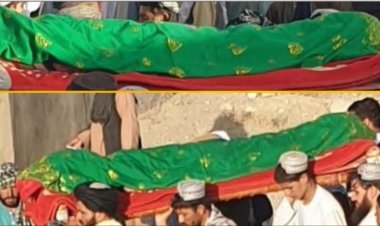
I think it’s Friday. I know because we are going to the cemetery. Mother never stays home on Fridays. Like her prayers, she never misses the routine—Fridays are for the graves. My sister and I follow her. As we leave the house, Mother walks steadily, but her composure falters among the graves. She sits on the ground, wiping my brother’s tombstone with her veil, crying and moaning. Around her, women wail over graves, hands pressed to their faces. Some are elderly, barely able to walk with canes.
A little farther away, two graves above my brother’s, a woman with a disheveled face and silver hair twisted into an odd shape weeps quietly, speaking without pause. I lean closer, catching every word. Her sunken eyes seem to fall deeper into her face. “Oh my child, my beloved little one… I wish God had let me die in your place…”
My sister’s voice pulls me back. “What are you staring at? Can’t you see Mother is leaving? How long do you expect us to wait?”
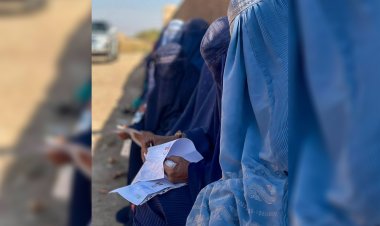
Mother leaves the cemetery gate, moving slowly, unsteadily, toward home. My sister follows; I trail behind, eyes wet with tears. We walk carefully through alleys and streets. Mother keeps her voice low but firm, instructing us to walk properly and keep our veils down. For four years, her approach has been strange—constant reminders of our hijab, always mixed with reprimands. It is painful. Each day is heavy with sorrow. My mother’s words, my sister’s weaving, my father’s radio—they all weigh on me, filling me with anguish.
In the evening, we return home and begin weaving the carpet again. My father’s radio continues its search for other lives that have ended.
—Narges Nikbin