Women in Taliban Courts: The Verdict Falls on the Victim
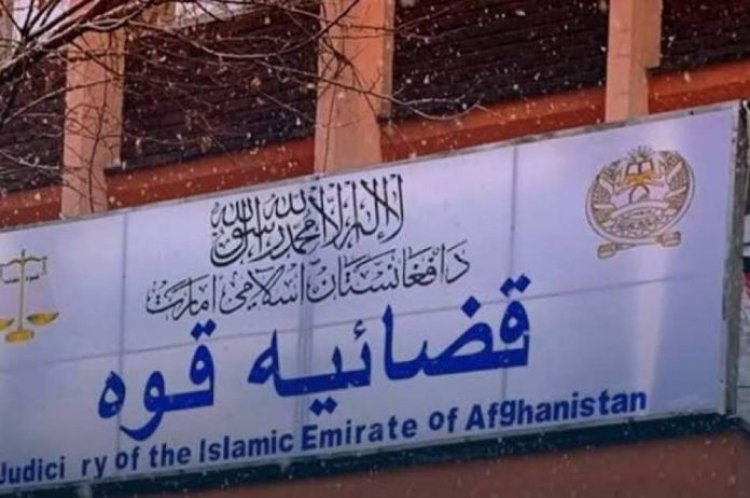
While this year’s 16 Days of Activism campaign focuses on gender-based violence online, the reality for women and girls in Afghanistan extends far beyond the internet. Since the Taliban regained power, violence, restrictions, and injustice against women have expanded at an unprecedented scale, including within the justice system and in the handling of violence cases against women.
The Rights Monitor Media will cover the campaign by sharing news, reports, personal stories, and reflections from Afghan women and girls, highlighting their experiences with violence and restrictions.
An Afghan Lawyer Tells Her Client’s Story
When Ms. Farzana first came to me, her eyes carried both fear and exhaustion. Her trembling hands and shallow breaths made it clear she had endured years of violence and intimidation. With a controlled voice but a deeply distressed heart, she recounted her story—each sentence revealing another open wound.
From the beginning of the marriage, her husband maintained illicit relationships with other women, regularly insulting and threatening her. Whenever she objected, reminding him that his actions were forbidden and degrading, he dismissed her with: “Go back to your father’s house. I don’t care about you.”
Despite repeated humiliation, she remained for the sake of her dignity and her children.
She reported multiple instances of physical assault and constant threats. Her husband drank alcohol in her presence and subjected her to degrading behavior. She witnessed him hosting immoral gatherings with unrelated women, introducing them to young men—effectively engaging in pimping.
One night, around midnight, he brought several drunk men into their home and left. The men attempted to assault her. She escaped in the dark and fled to her parents’ house. The next morning, she filed a complaint at a Kabul security district. In the presence of elders, her husband pledged to stop such behavior.
Eight months after she returned, he beat her again. Later she discovered a video—recorded by her husband himself—showing him in an illicit relationship with another woman. She filed another complaint, but the Taliban judicial authorities ignored the evidence and sided with her husband. He claimed, in front of officials, that he had conducted nikah with the other woman and therefore his actions were not sinful or unlawful, while recording and displaying such videos was strictly prohibited under both religious rulings and the law.
When she submitted the flash drive containing the videos and supporting documents to the Taliban’s military court, she still hoped for justice. Instead, her husband faced no consequences; she was charged for recording and presenting the evidence. Two stages of trial—primary and appellate—have passed, and the case has remained unresolved at the Supreme Court for months.
Her three children remain with their father, and she has been denied visitation. She lives with daily grief, watching a justice system operate with open bias—overlooking violence against women and shielding perpetrators.
I assured her that her testimony will not be erased. I will continue documenting the facts and pursuing every possible path toward justice. She must know she is not alone.
I have witnessed the extent of fear, violence, and injustice that has consumed her life, and how even clear evidence has failed to bring accountability. Her longing for her children, her fear of renewed violence, and her desire for justice have formed a prolonged, suffocating nightmare. Yet she continues to speak out—determined that other women understand the importance of resisting silence, even under the harshest conditions.
This account, written in my voice as her lawyer, aims to document her struggle and to expose how many women face a judicial system that dismisses evidence, reinforces discrimination, and protects offenders. It is a reminder of the urgent need for protection, justice, and meaningful reform for women whose lives remain overshadowed by violence and inequality.