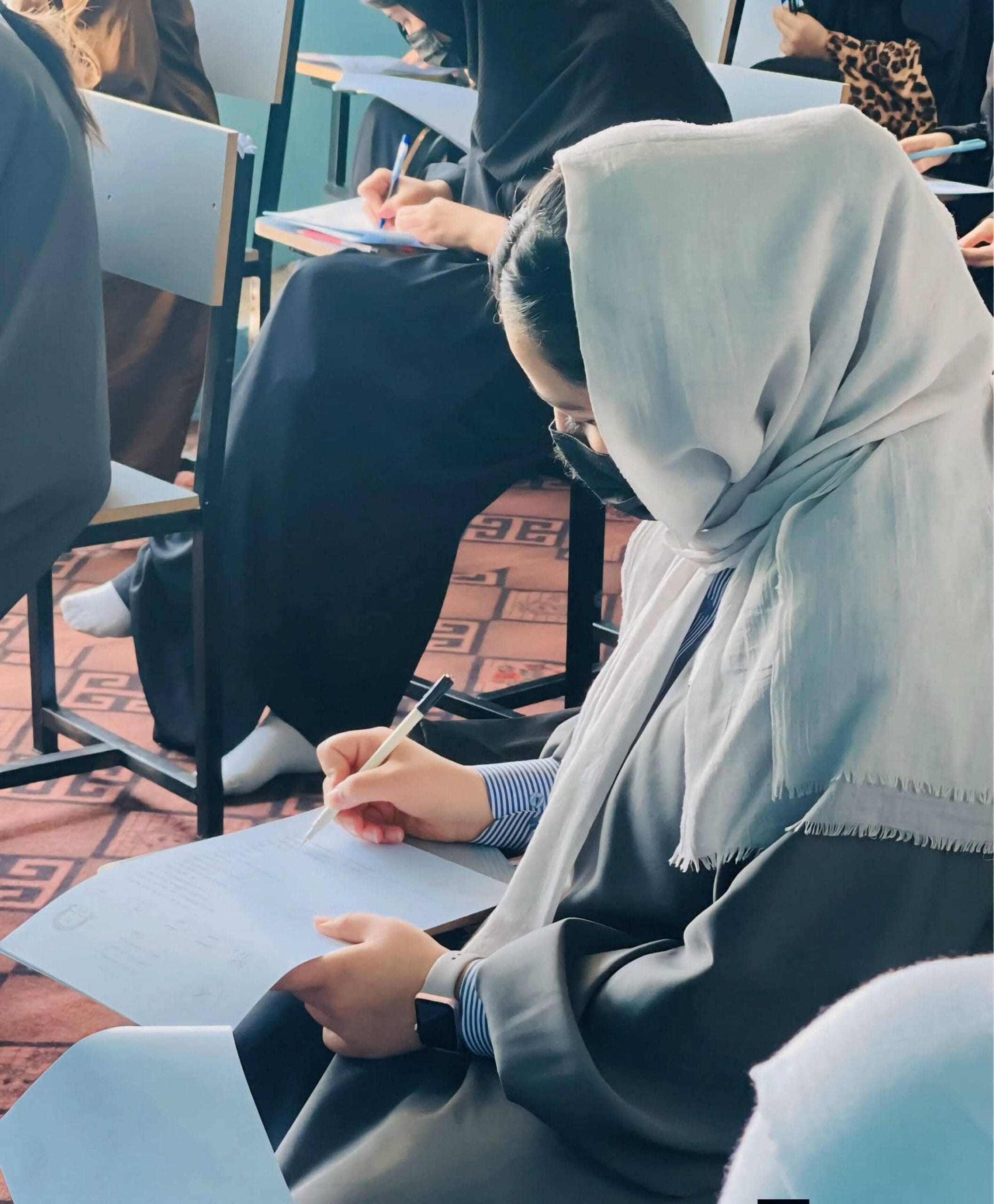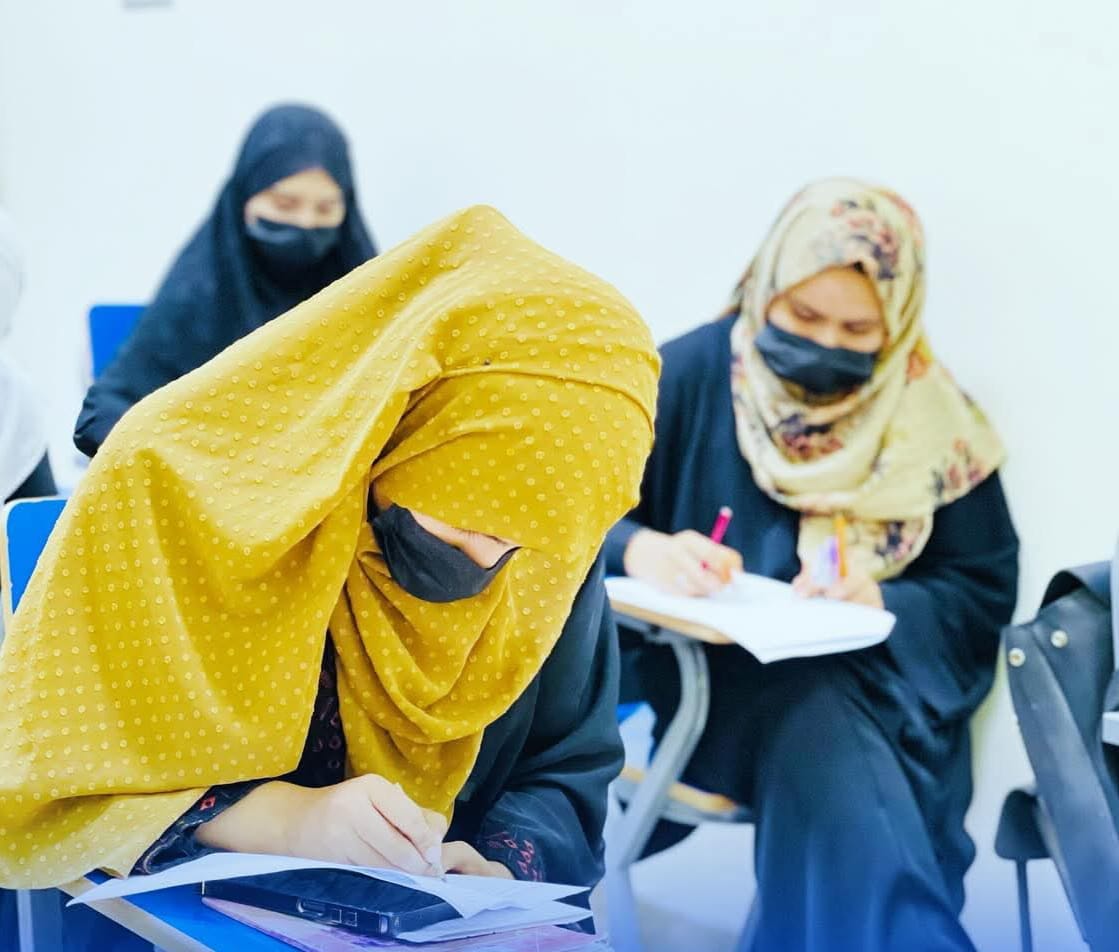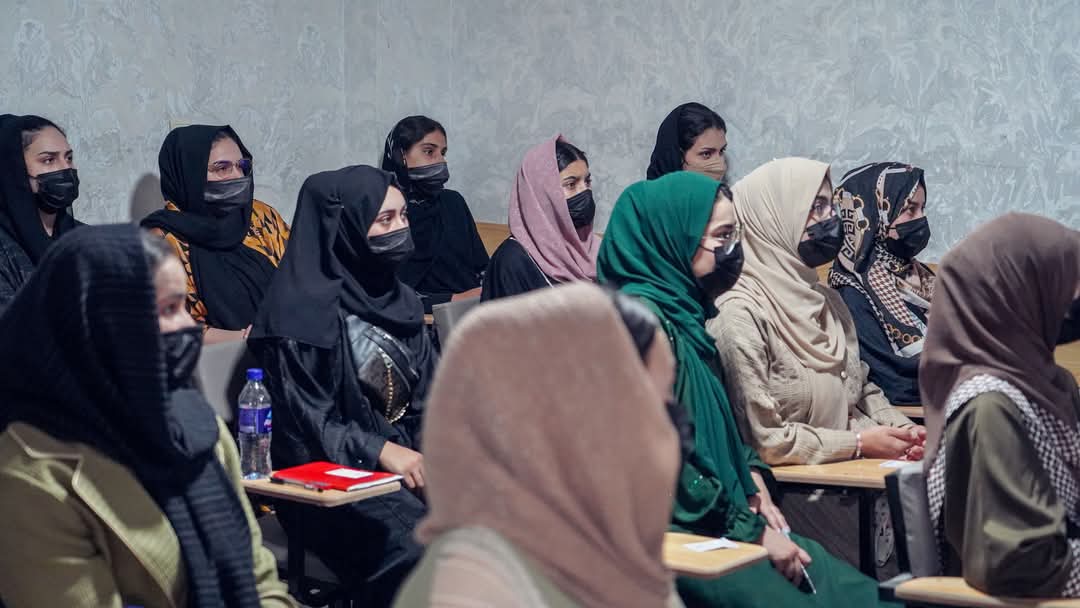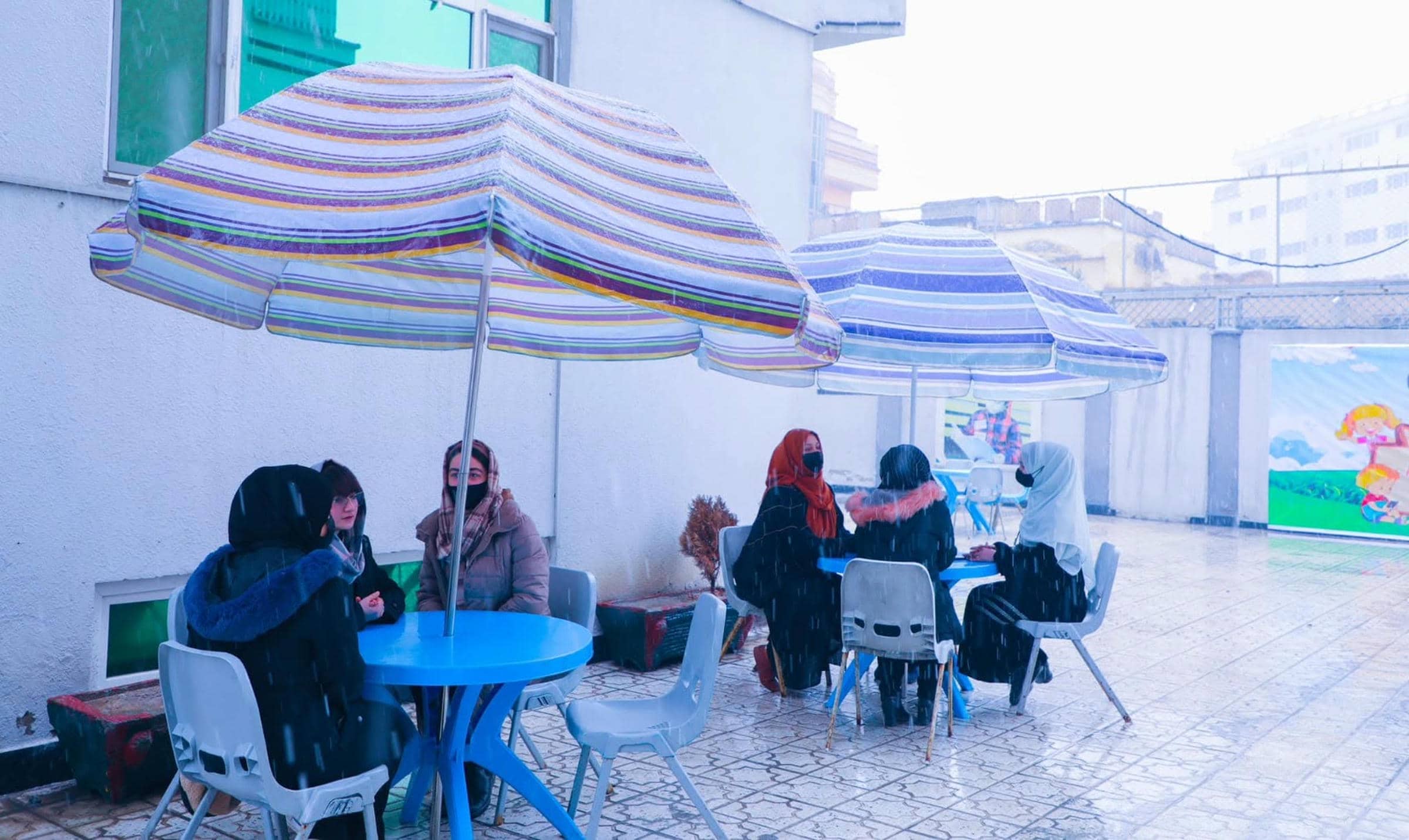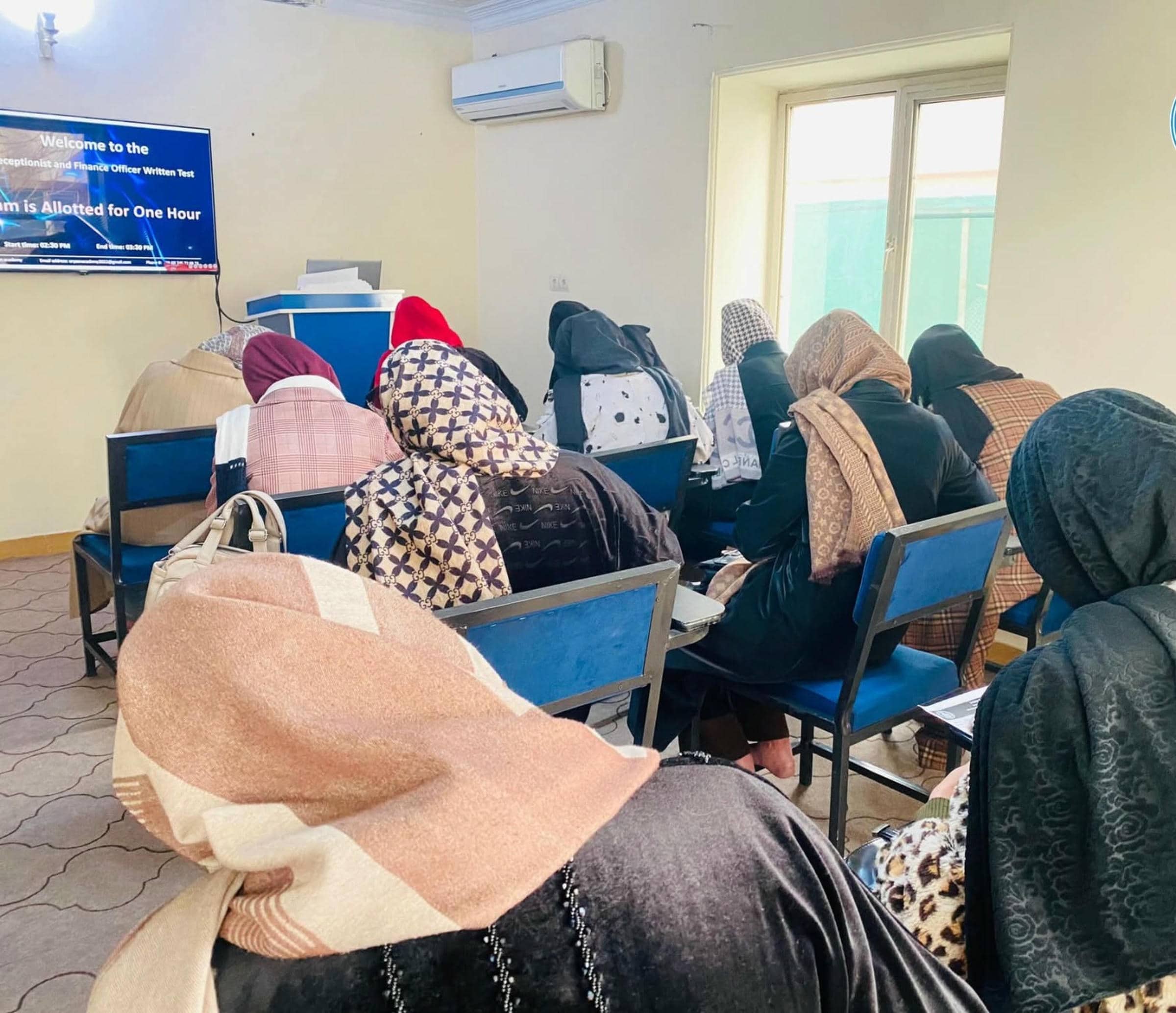
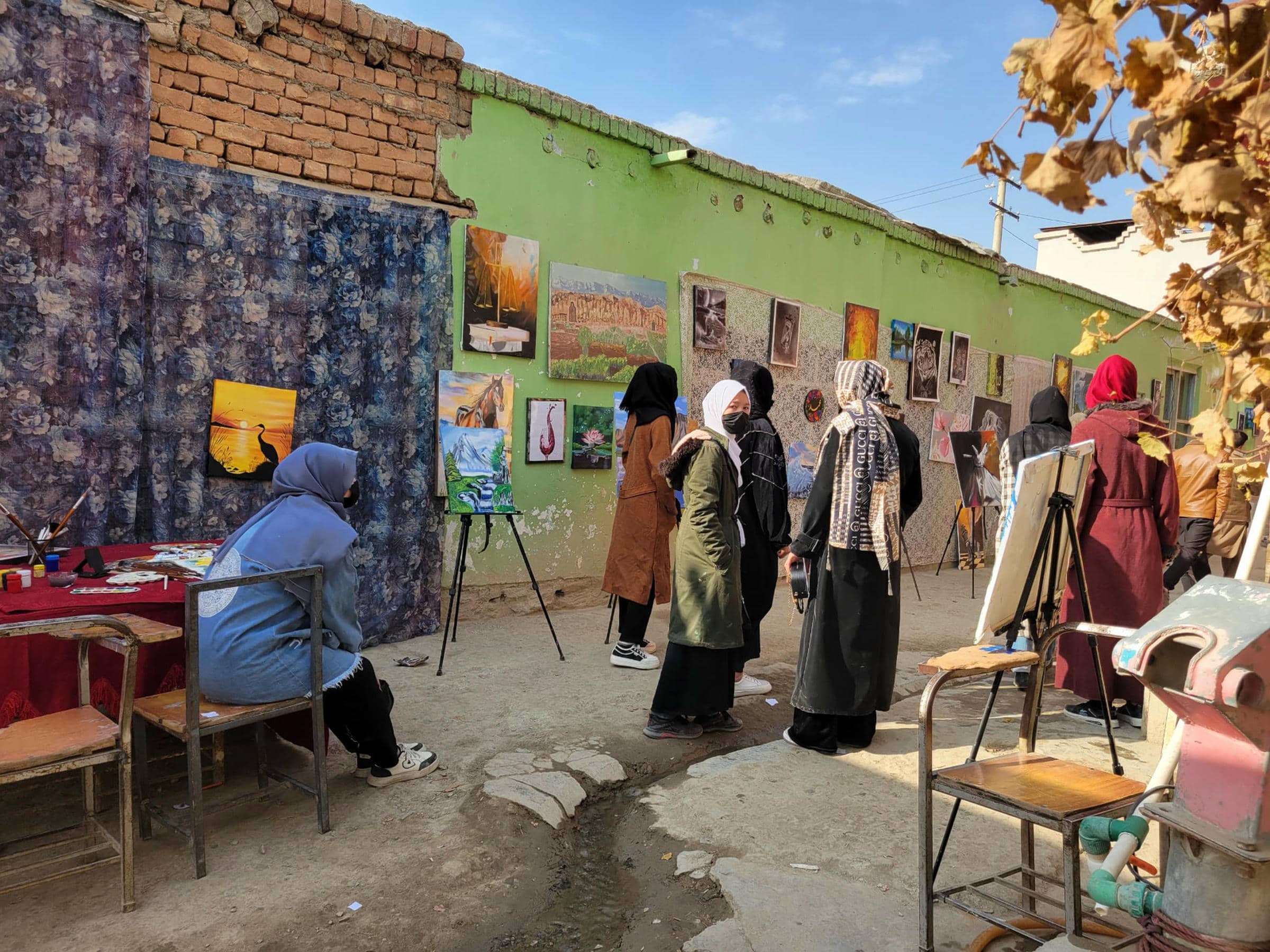
Higher education: Around 100,000 female students have been denied access to higher education, shrinking the pipeline of future women professionals.
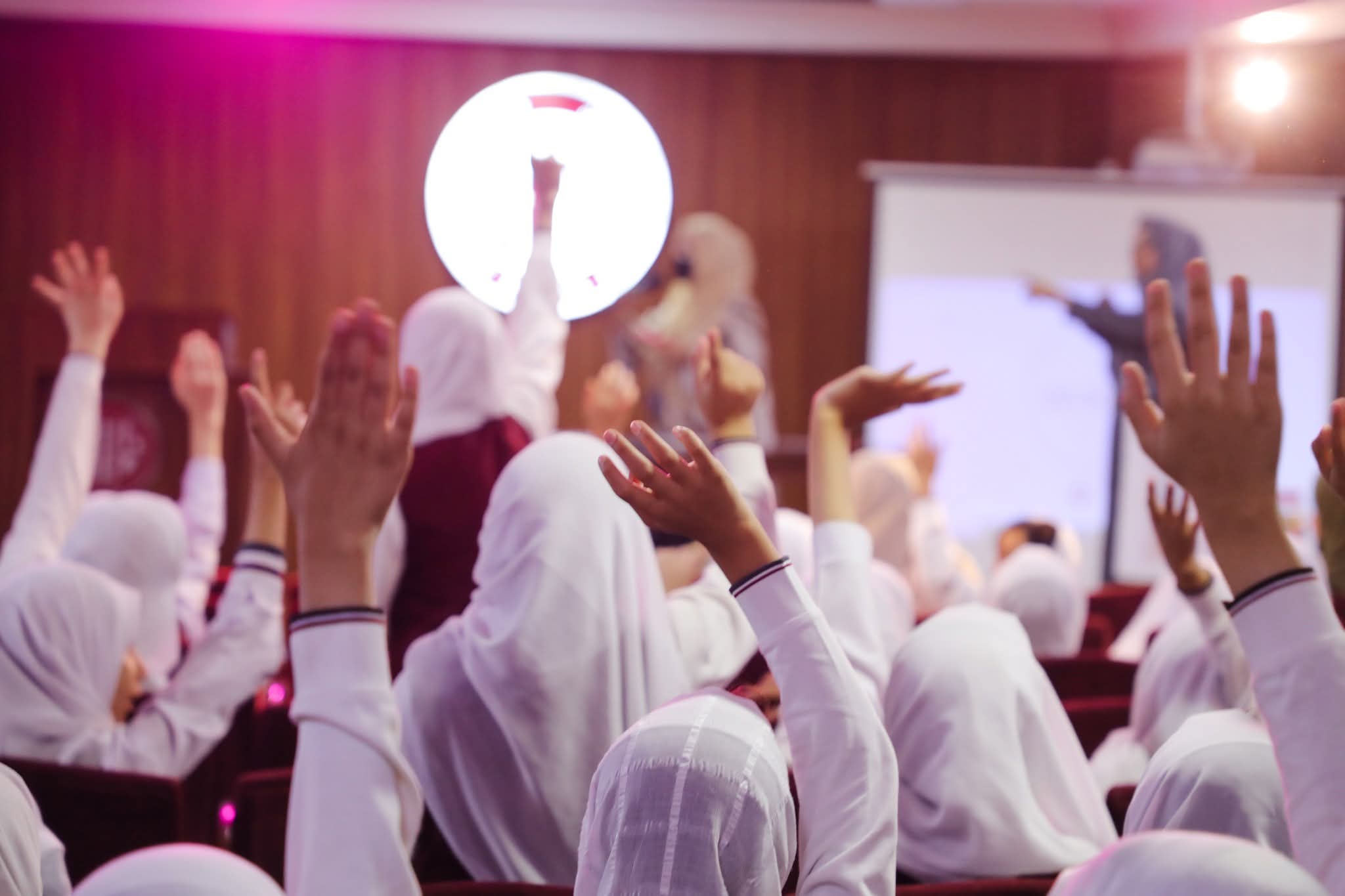
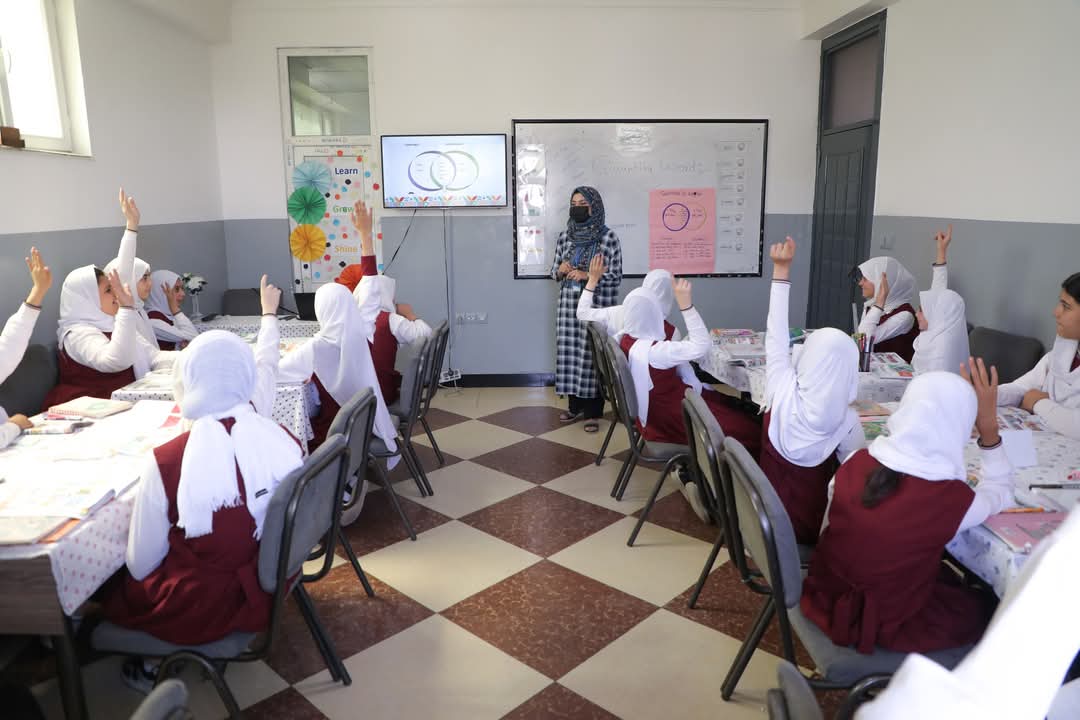
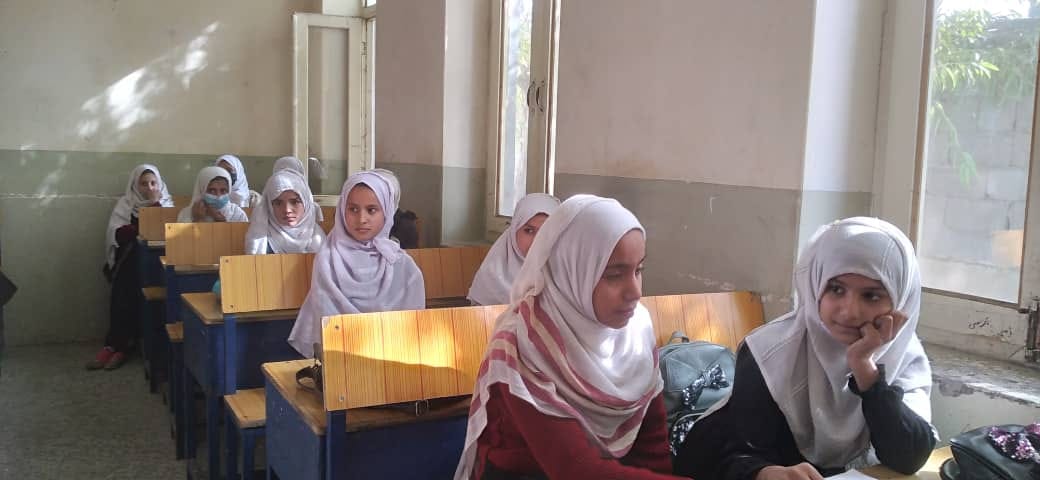
Secondary education: More than 2.2 million girls remain excluded from secondary school, cutting off their path to higher education and professional careers.
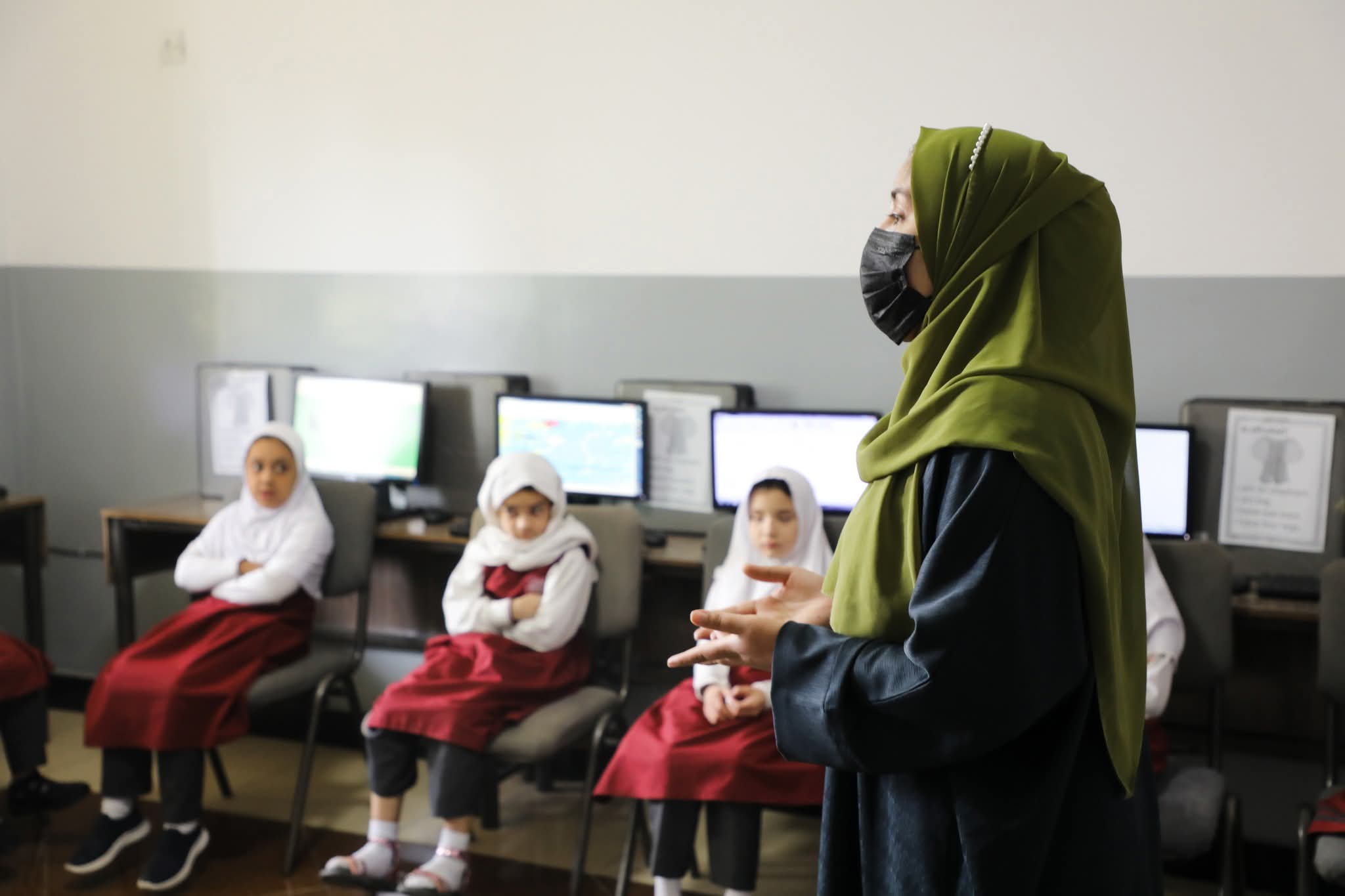
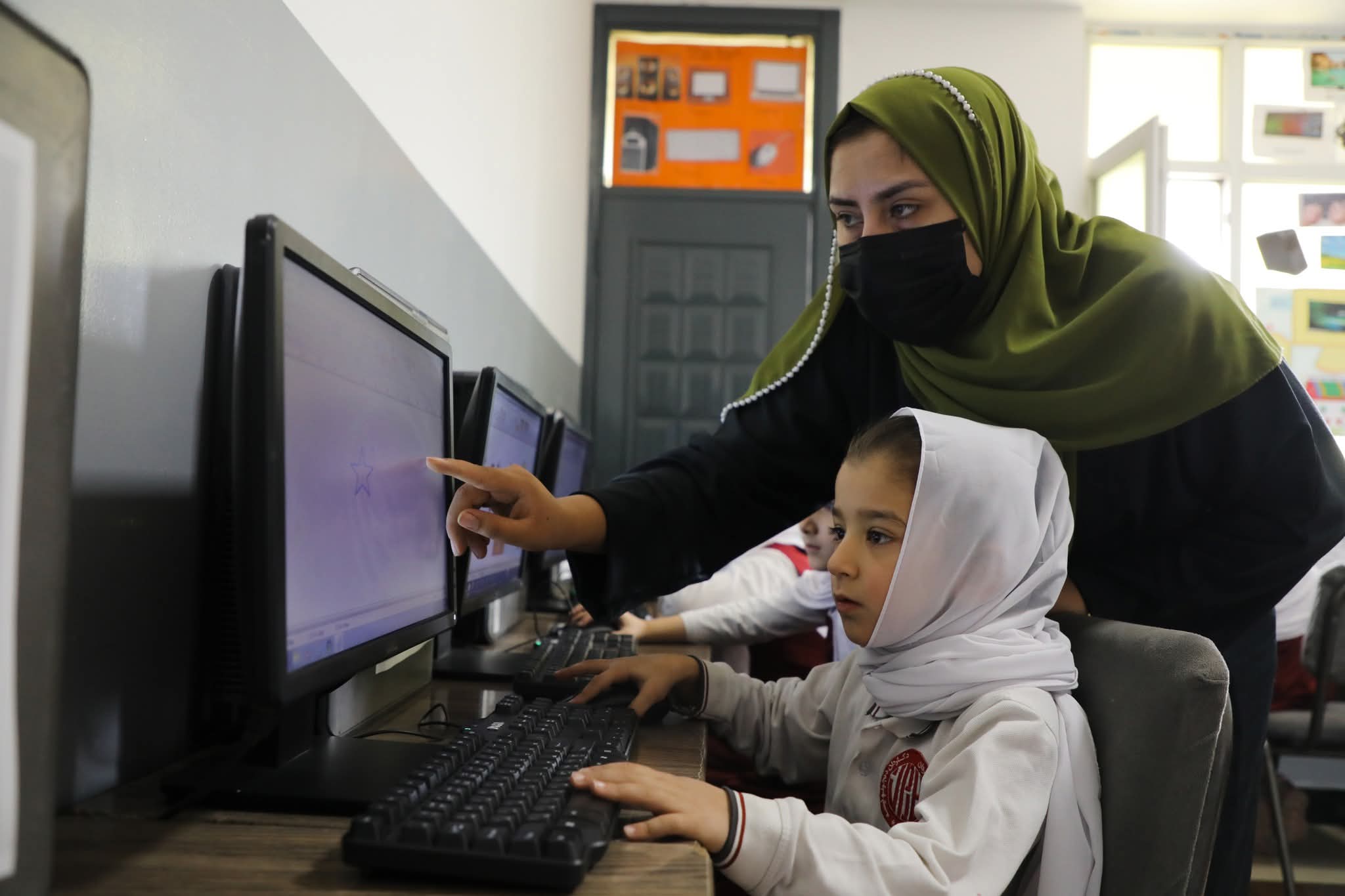
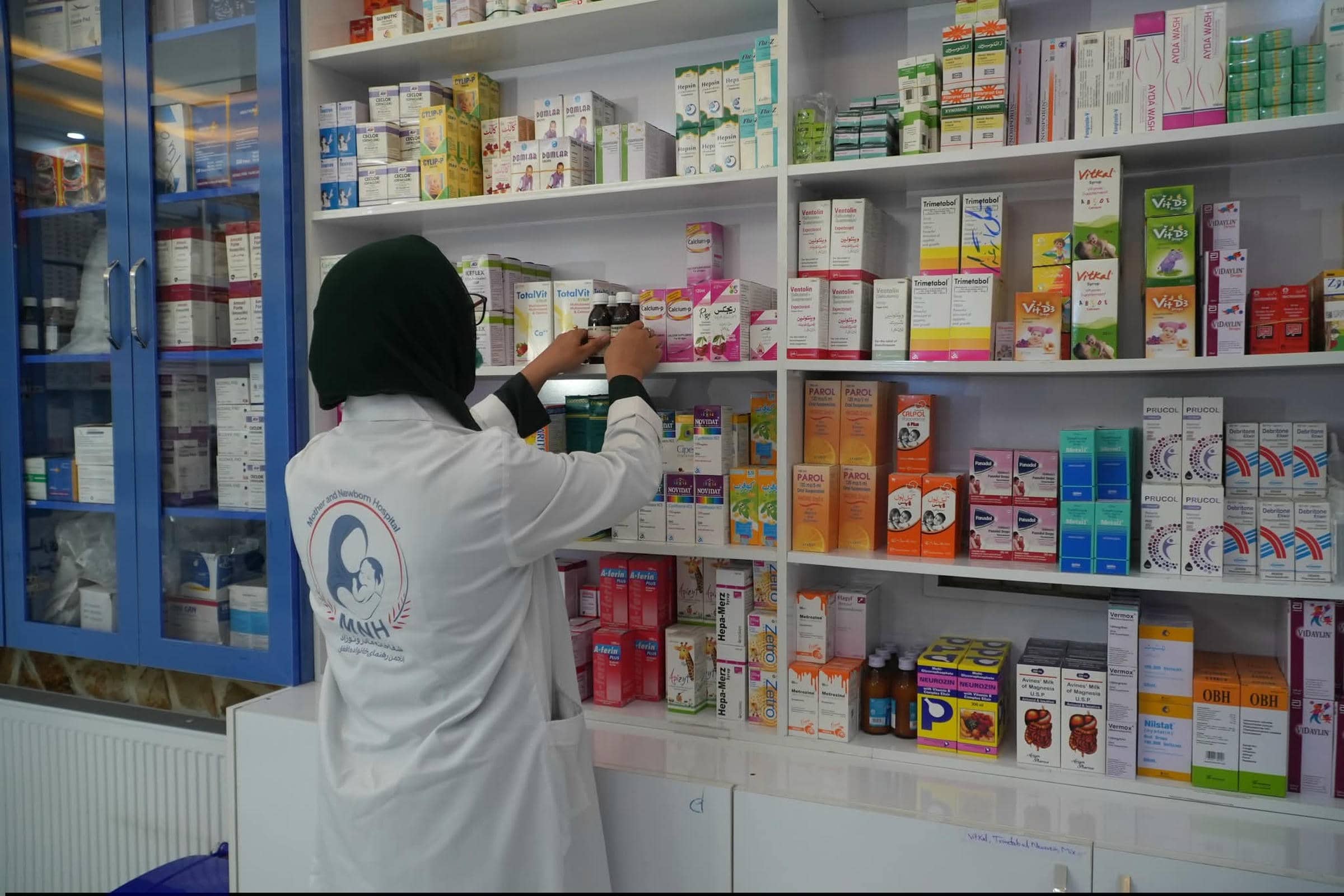
Medical training: Bans on girls’ medical and specialized education are weakening the future supply of female doctors, midwives, nurses, and teachers.
Future shortages: By 2030, Afghanistan could face a shortage of 5,400 female health workers and 20,000 female teachers, putting further pressure on the health and education systems.
Public services: The exclusion of women professionals from legal, administrative, and public services is weakening the country’s capacity to serve its population.
Human capital: Excluding half the population from education and professional development is eroding Afghanistan’s human capital and limiting its economic and social future.