
Five Years Under Taliban Rule: Land Seized From Residents and Redistributed to Supporters
Residents in several Afghan provinces have told R.M. Media that the Taliban are seizing privately owned land and homes under various pretexts and, according to their accounts, transferring them to individuals affiliated with or supportive of the group.
The allegations have come from residents of Kabul, Nangarhar, Bamyan, Kapisa, Badakhshan, Takhar and Parwan provinces.
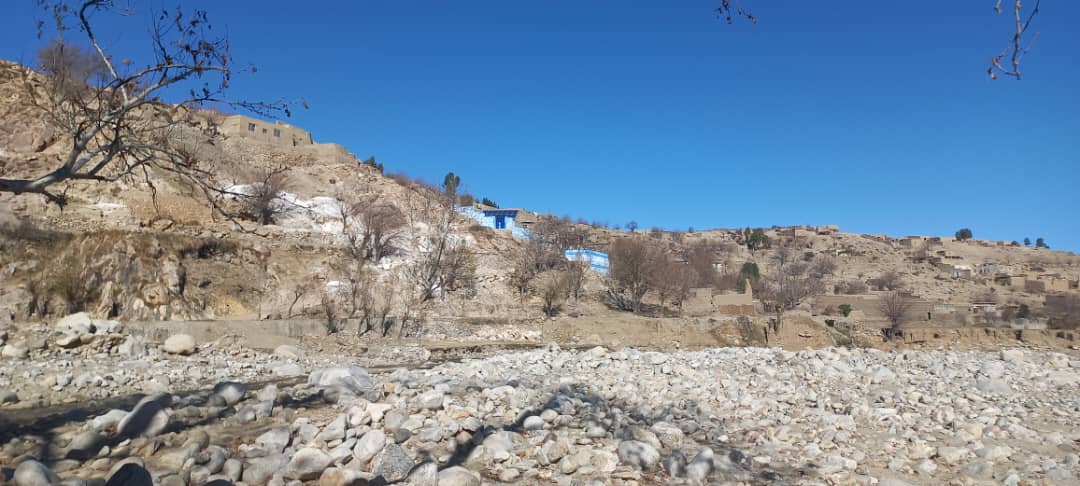
Sharifullah, a resident of Nejrab district in Kapisa province whose name has been changed for security reasons, says the Taliban are attempting to redistribute agricultural land belonging to members of the Pashai community in the Giyawa Valley to their supporters, while depriving the original owners of their property.
According to Sharifullah, residents of the valley have long-standing ownership documents for the land and have paid taxes on it over the years. However, he says the Taliban have rejected these documents and described them as fraudulent.
Local sources say residents of the Giyawa Valley have cultivated the land for more than five decades.
“We have been farming this land for 50 years,” Sharifullah says. “Now the Taliban tell us that the land belongs to the state or that we took it from Pashtuns by force. We have documents proving ownership and we have paid taxes, but they refuse to accept any of it. They are trying to take our land and distribute it among their supporters.”
He warns that the Taliban’s actions could put hundreds of Pashai families at risk of displacement and the loss of their main source of livelihood.
Sharifullah accuses the Taliban of pursuing ethnically discriminatory policies, saying the group is attempting to marginalize the valley’s indigenous residents through pressure and force and deprive them of their properties.
“The Taliban discriminate against ethnic groups other than Pashtuns,” he says. “They treat other communities as if they are inferior. They take people’s homes, land and other properties under different pretexts, and people are too afraid to speak out.”
Residents of the Qargha area in Kabul’s Paghman district have also raised similar complaints.
A resident of Paghman, who requested anonymity due to security concerns, says the Taliban are attempting to seize land belonging to Tajiks, Hazaras, Uzbeks and members of other ethnic communities and redistribute it to people who support the group or who, according to him, had cooperated with the Taliban during the previous government.
He says the Taliban’s Ministry of Justice has declared their legally recognized deeds and ownership documents invalid without conducting any proper review, adding that the process has lacked transparency.
According to the resident, the Taliban are seeking to establish a presence in areas where they previously had little support by settling their own supporters there.
“The Taliban come every day and ask people for documents proving ownership of their land and homes,” he says. “All these properties have legal documents, and our families have lived here since the era of King Zahir Shah. But the Taliban treat us with hostility and discrimination. Whenever they take a home from someone, they place their own people in it.”
Residents in parts of Nangarhar, Badakhshan, Takhar and Bamyan provinces have also reported similar complaints.
They say they have approached Taliban provincial authorities in an effort to resolve their disputes, but their concerns have not been addressed.
According to residents, the Taliban are seeking to forcibly displace people from some towns and areas in these provinces and replace them with their own supporters.
Human rights activist Hedayat Lodin says redistributing land belonging to one ethnic community to another constitutes a form of ethnic discrimination that could have serious long-term consequences for Afghanistan.
“If the Taliban are pursuing ethnic discrimination, the consequences will be dangerous,” Lodin says. “Governments in Afghanistan are not permanent. Such actions can fuel ethnic tensions, create the conditions for local conflicts, weaken national identity, undermine social cohesion and ultimately pave the way for future conflicts between communities.”
Similar concerns have also been raised in international reporting. In an investigative report, The Guardian described the demolition of thousands of homes in Kabul as part of Taliban-led road construction and urban development projects as having “ethnic motives.”
The report said that large areas in predominantly Hazara and Tajik neighborhoods of Kabul had been demolished in the name of urban development, describing the demolitions as part of a broader pattern of displacement and discrimination.