
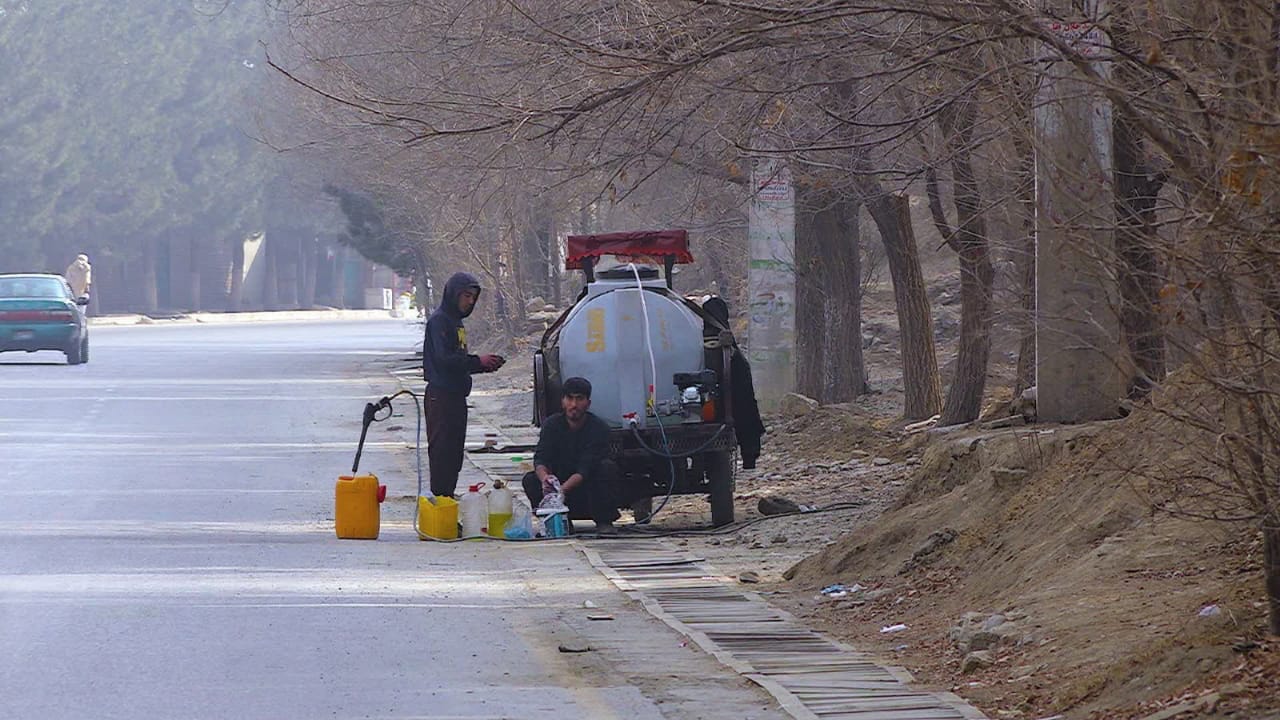
Afghanistan is among the countries most vulnerable to climate change, with intensifying droughts and rapidly declining groundwater reserves threatening access to safe drinking water across the country.
The impact of the crisis is being felt not only in Kabul, the capital, but also in many provinces, where water shortages have reached alarming levels. Reduced rainfall, the depletion of underground water sources, excessive drilling of deep wells, and the rapid melting of natural glaciers are among the main factors contributing to the worsening situation.
The United Nations has raised concerns over the increasing severity of drought in Afghanistan, warning that Kabul, home to approximately six million people, could become a severely water-stressed city by 2030 due to the impacts of climate change.
A UN report highlights that water scarcity in Kabul has reached unprecedented levels, largely as a result of declining rainfall, the depletion of groundwater reserves, and growing reliance on deep wells.
The report notes that many residents of Kabul are forced to walk several kilometres to access safe drinking water, while some have turned to water sources from mosques to meet their daily needs.
According to the report, 21 million people in Afghanistan lack access to safe drinking water, while climate-related pressures contribute to the displacement of at least 700,000 Afghans every year from their homes.
The Food and Agriculture Organization of the United Nations (FAO) has also warned about Afghanistan’s deteriorating environmental situation, stating that the country’s glaciers are melting at an alarming rate due to climate change. The loss of these vital water sources could have devastating consequences for agriculture, food security, and rural livelihoods.
The FAO has emphasized that agricultural irrigation and food production in Afghanistan rely heavily on water from natural glaciers and has called for glacier protection to become a central part of climate adaptation strategies.
Meanwhile, the Taliban-controlled Ministry of Agriculture and Irrigation has reported that Afghanistan has 3,891 glaciers, with 92 percent located in the Amu Darya basin and 8 percent in the Kabul basin.
The ministry’s report states that approximately 10 percent of Afghanistan’s water resources come from glaciers, while the remaining supplies largely depend on snowmelt and rainfall.
Despite repeated warnings from international organizations about Afghanistan’s environmental crisis, the Taliban have continued to frame climate-related disasters as consequences of social and moral corruption, rather than as impacts of global climate change.
Afghanistan remains one of the countries most exposed to climate risks, ranking among the nations facing the highest vulnerability to climate change impacts, according to international assessments by organizations including the World Meteorological Organization.